
How to Decrease Shopping Cart Abandonment on Your Ecommerce Site
- Category : Marketing
- Posted on : May 01, 2019
- Views : 3,330
- By : Radcliff S.

Shopping cart abandonment does not happen often in brick and mortar shops. Because of the ease of online shopping (or perhaps because of the fact that no one is watching/judging you), this consideration is only really relevant when talking specifically about ecommerce shops.
To put this ecommerce problem into perspective, three out of four shopping carts are abandoned, and the abandoned cart rate rose 2% over the last year.
Cart abandonment represents a major gap in potential conversions. For instance, it’s been found that a 65% cart abandonment rate leaves a 97.9% gap in conversions, which costs marketers an average of $2 to 4 trillion per year. That said, Forrester Research suggests annual losses of $18 trillion.
What is Shopping Cart Abandonment?
Shopping cart abandonment is when a potential customer on your ecommerce site is in the middle of checking out (or has at least added it to their cart) and decides to no longer purchase. This is usually measured in the percentage of carts abandoned over a period of time. It can be impacted by bad UI, checkout flow, confusing pricing, brand trustworthiness, etc.
The online buying process can be complex to deconstruct for the purpose of boosting conversions.
Some studies say that 75% of site visitors that abandoned their carts planned on returning to the site to make a purchase or continue their research. In fact, only 2% of customers convert on their first visit to an ecommerce shop, and 92% of first-time visitors don’t intend on buying anything from the store at that point. In fact, it takes about five contacts on average before a customer decides to buy from the average business.
So instead of looking at shopping cart abandonment as foregone sales, you should instead look at it as a metric for gauging the eventual purchasing intentions of your website visitors.
- Shopping Cart Abandonment Statistics
- How to Reduce Shopping Cart Abandonment
- How to Mend Shopping Cart Abandonment with Abandoned Cart Emails
Shopping Cart Abandonment Statistics
According to the Baymard Institute, these are the most common reasons why customers abandon shopping carts:
- Expensive shipping fee (55%)
- Site wanted them to make an account (34%)
- Long or complicated checkout process (26%)
- Couldn’t trust the site with credit card information (17%)
- Website had errors/crashed (17%)
- Not enough payment options (6%)
Of course, there can be other reasons that also come into play, such as not having enough product in stock, waning brand loyalty, and checkout errors.
Other major reasons for cart abandonment include:
- Having a slow website. A slow website can increase abandonment by 75%, and loyalty drops 50% when your site is slow.
- Customers just browsing. 81% of customers are just browsing ecommerce sites because they are conducting online research as to the best available deals. 55% look for products on both Amazon and Pinterest, 79% look for free return shipping, and 71% evaluate shipping fees and policies.
How to Reduce Shopping Cart Abandonment
Just like with conversion rate optimization, there are many factors that can influence how many your shopping cart abandonment rate. Here are some easy steps on how to reduce it!
1. Speed up Your Ecommerce Site
Page speed is one of the most important page optimization efforts for any website. Customers will leave a website if it takes longer than 3 seconds to load. AliExpress shared that reducing the load time of their pages by 36% yielded a 10.5% increase in orders and 27% increase in conversion rates for new customers. On the other hand, by improving render time by 68%, load time by 64%, and page weight by 46%, Ancestory.com saw a 7% increase in conversions.
WooCommerce sites can be especially demanding as they generate a lot of data, as well as un-cachable requests, thus robust PHP and database resources are needed in place. When choosing WooCommerce hosting, it is important to use a container-based host, such as Host SEO, that is built for scaling with isolated resources.
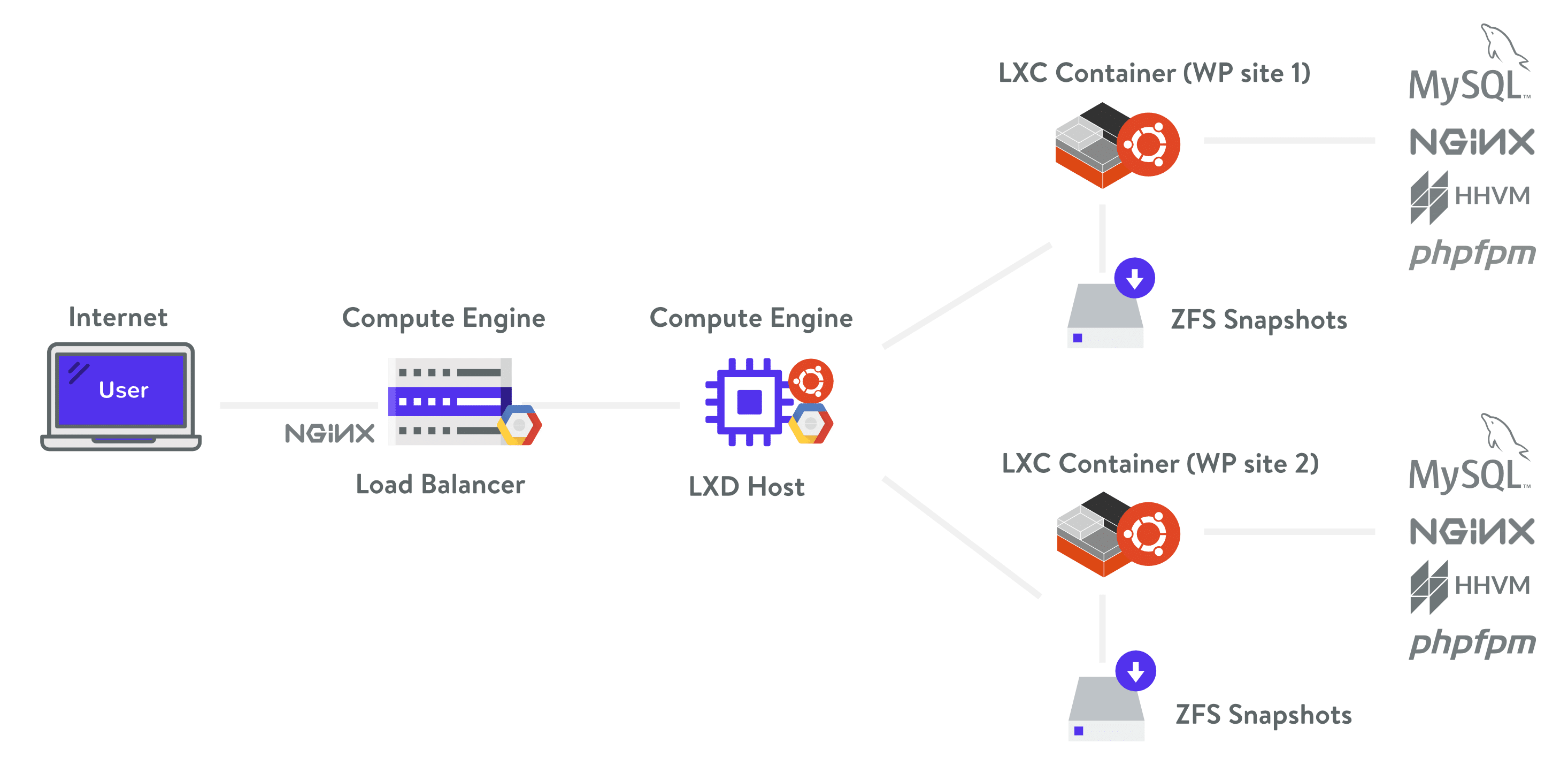
Additional ideas for speeding up your website:
- Optimize your images.
- Offload and cache different files such as PDFs and MP3s.
- Cache as much of your content as possible. You can opt for a caching plugin, though there are certain web hosts like Host SEO, which handles caching for you(and offers four different types of caching, to boot).
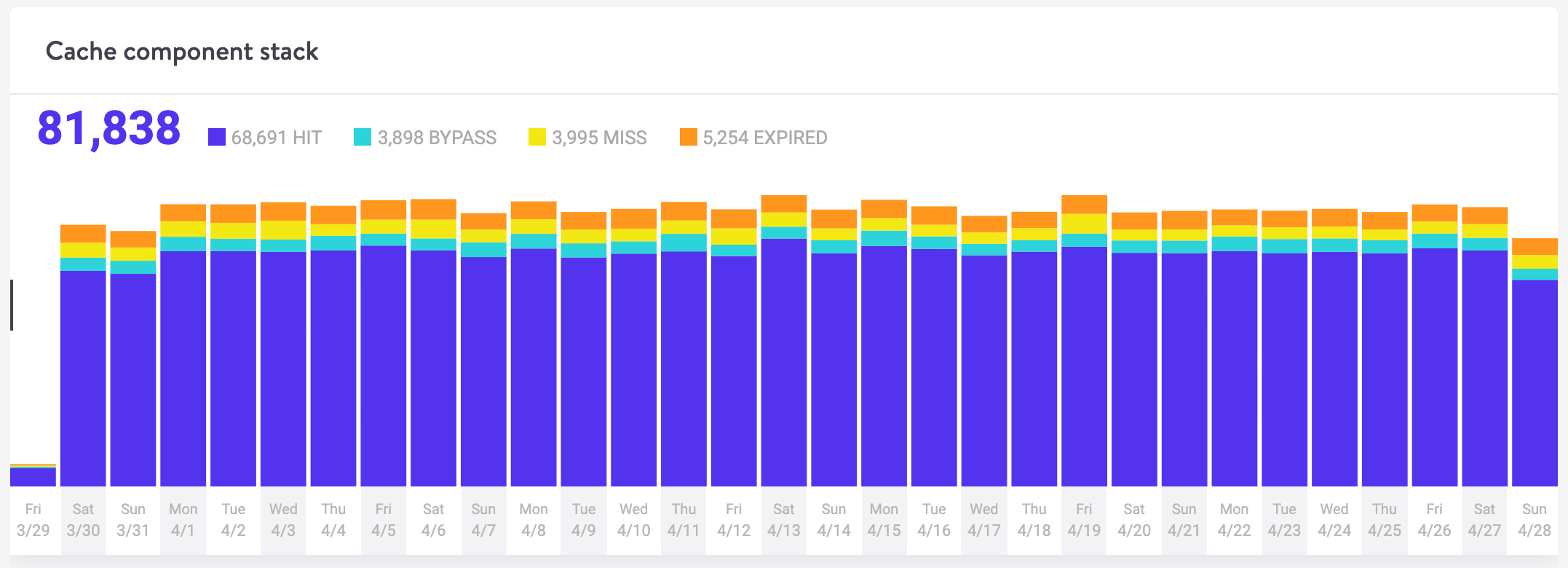
- Use a content delivery network (CDN). Depending on the location, we’ve seen a CDN decrease overall load times by over 50%!
- Optimize your WordPress database. When you delete a plugin from your WordPress database using the standard method, it typically leaves behind tables and rows in your database, which, over time, can slow your website down. When your site gets too heavy, you can opt to limit post revisions or delete old ones. You may also convert tables from MyISAM to InnoDB, and clean up your wp_options table.
If you really want to dive into all the nitty gritty optimization techniques and tricks, make sure to check out our ultimate guide on how to speed up your WordPress site.
2. Shorten & Simplify the Checkout Process
Some 21% of shoppers said that the reason why they’ve abandoned a shopping cart was because the checkout process was too long or daunting. According to the Baymard Institute, the average large-sized ecommerce site can increase their conversion rate by 35.26% through better checkout design.
A few ideas to simplify checkout:
- Offer one-step checkout (like Amazon) or look for ways to decrease the steps necessary to check out.
- Offer guest checkout. 35% of online transactions are usually dropped because the website required the user to create an account before checkout. Some of the reasons why visitors don’t want to make a user account include privacy, full email inboxes, lack of time, and uncertainty around the purchase.
- Strip down and simplify checkout. This could be done in a number of different ways. For example, Host SEO removes distractions on their checkout page by stripping out the top header. You can also see where you are at in the process as you go.
Take a step back to really consider your existing checkout process: either in terms of a self-audit or through usability testing. Is there anything particularly confusing about it? Are there any fields you can eliminate? Test new changes and make sure to measure the impact on your conversions before fully committing to them.
3. Offer Alternative Payment Methods
When you open up an ecommerce shop, you are potentially opening yourself up to doing business with the whole world. Knowing this, you must realize that one payment method won’t be sufficient for customers in different countries. You may have to incorporate multiple different payment methods depending on where in the world your customers live.
Stripe and PayPal (connected to bank accounts, debit cards, and credit cards) are some of the most common methods for receiving payment that ecommerce stores accept. New, up and coming alternative payment methods to consider on top of these include Apple Pay, Amazon Pay, and Google Pay.
4. Consider Offering Free Shipping
According to Statista, expensive shipping is the top reason why people abandon