How to Monetize a Blog in 2019 (13 Profitable Ways)
- Category : Marketing
- Posted on : May 21, 2019
- Views : 5,708
- By : Vucebte Q.

Starting and monetizing a blog has never been easier than it is today.
Not too long ago, creating a website would’ve cost you thousands if not tens of thousands of dollars to set up and maintain. Monetizing a website was just as difficult. PayPal was in its infancy, Stripe didn’t exist and email marketing was nowhere near as flexible as it is now.
Today however you can start, maintain, and monetize a blog on WordPress with just a few hundred dollars (this can vary based on what you need to do). But just because it’s easier to make money with your blog today, doesn’t mean that most bloggers do.
According to ConvertKit’s 2017 state of blogging report, pro bloggers reported an average profit of $138,064 the past year, while amateur bloggers (who made up 86% of those surveyed) made only $9,497.
This is terrible, especially when you consider that most bloggers start a blog so they can be their own boss and quit their dull 8-to-5 job.
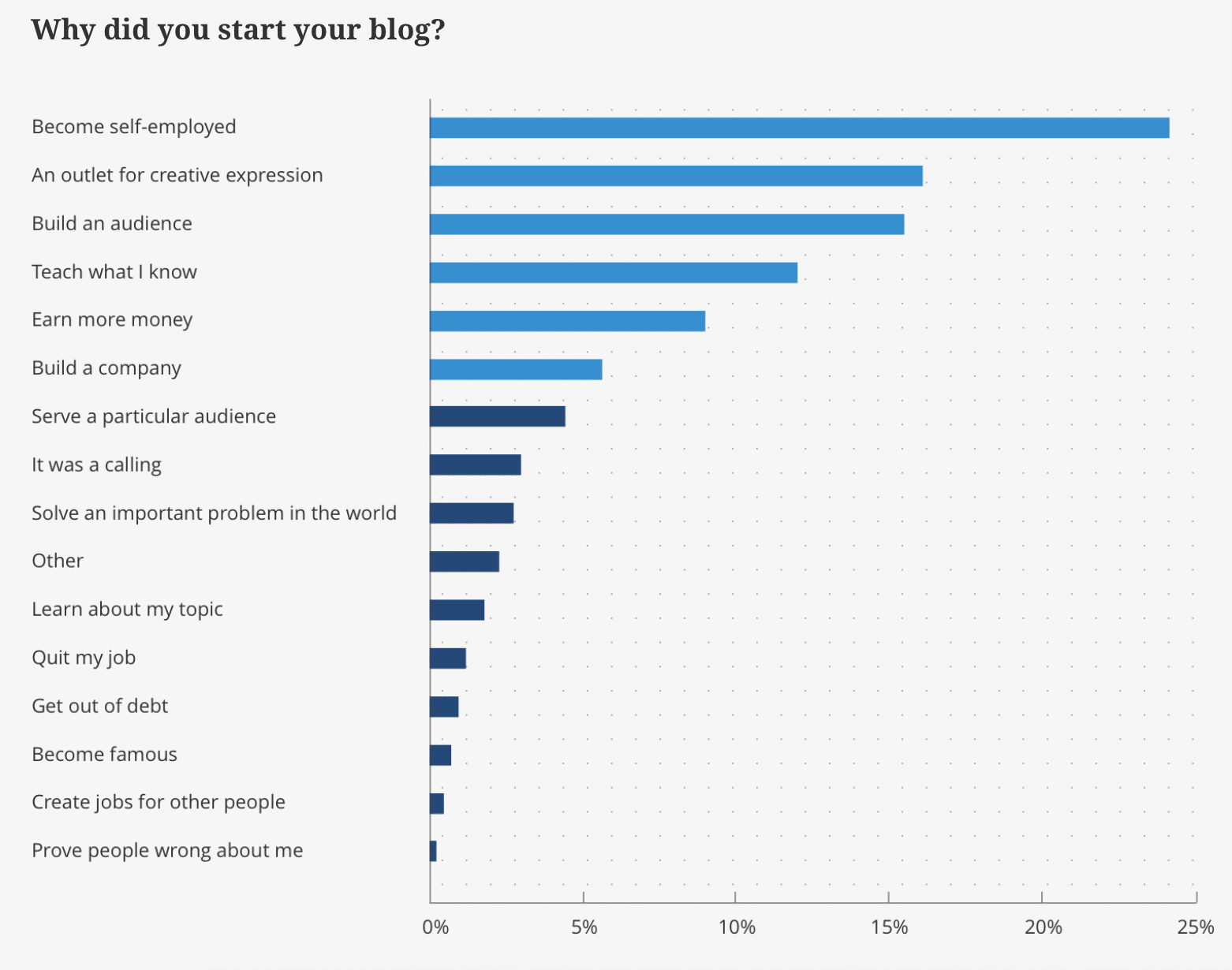
So how do you go from being an amateur blogger to one of the pros hitting six figures every year?
Well, you need a solid marketing plan, this includes content, a profitable niche, and a great monetization strategy.
You also need to need to do some quick math.
When Should You Start to Monetize Your Blog?
There’s no concrete number out there for how much traffic or how large an email listshould be to make money from your blog because that all depends on what you sell and how you sell it.
However, having two things straightened out first will help you a lot:
- Get steady traffic: You don’t need tens of thousands of visitors but at least a thousand visitors a month means you’re doing something right.
- Grow your email list: Again you don’t have to aim for anything crazy here. We’ll show you examples of people who had a small list but still used it to their advantage.
Now these two things matter, but primarily, monetizing your blog efficiently is all about the numbers.
For example, if you need to make $6,000 from your blog:
- You can sell a $200 product (say a course) to 30 people.
- Or sell a $600 course to 10 people.
- And even by charging $6,000 for consulting with a client.
Monetization is math, not magic.
This doesn’t mean that the key to monetization is simply increasing the prices of what you sell. Rather it means that you should choose a monetization strategy that aligns with where your blog is right now or where you want it to be in the future.
In this article, we’ll show you how you can monetize a blog and make money online whether you get thousands of page views a month or you’re just starting out.
We’re going to show some solid strategies other bloggers have used to generate revenue from their own blogs in diverse niches and teach you how to do the same with your own blog.
- Become a Freelance Blogger in Your Niche
- Sell Ebooks to Your Audience
- Create and Sell Online Courses
- Start a Coaching/Consulting Business
- Offer a Paid Membership Plan
- Make Money With Display Advertising (Banner Ads)
- Become an Affiliate Marketer
- Generate Revenue With Sponsored Posts/Reviews
- Sell Physical Products to Your Audience
- Sell Digital Products to Your Audience
- Launch a Virtual Summit in Your Niche
- Accept Donations on Your Blog
- Start a Podcast
1. Become a Freelance Blogger in Your Niche
One of the easiest ways to make money from your blog is to become a freelance writer for more prominent blogs in your niche.
Think about it, you probably started your blog because you have experience/knowledge in that area, so why not use that to your advantage?
Businesses are looking for people that can create content to fuel their marketing so who better to create that content than someone that has knowledge in that niche.
Freelance blogger Bamidele Onibalusi used his blog, Writers in Charge, to show his content marketing chops while also growing his audience. He now makes a full-time income blogging for other businesses.
According to data from Glassdoor, the average freelancer in the United States makes about $40k a year. Keep in mind that this figure is influenced by your experience level and the niche you write in.
Here’s a breakdown of how much you can earn in different niches according to the Editorial Freelance Association:
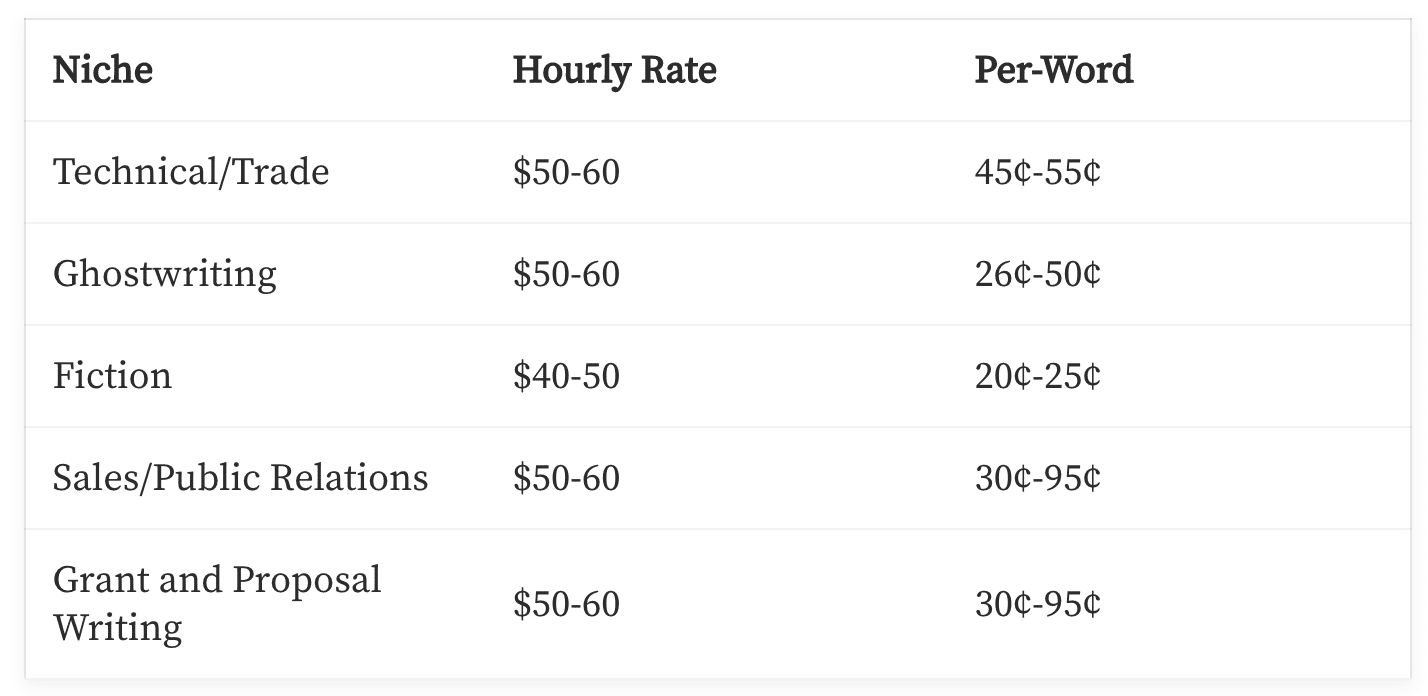
You might not be able to charge these rates when you begin, but as you gain more experience and credibility your rates go up. Be careful not to charge too low in the beginning though.
Charging $10 for an article might seem like an easy way to start getting clients, but in truth it can chase quality clients aways as your skills are called into question, not to mention charging so little can drain your motivation to continue.
Since we’re on the subject of pricing, it’s better to charge your clients on a per project basis rather than on an hourly rate since it can be hard to determine how long it’ll take you to complete a task, especially when you’re just starting out as a freelancer.
Charging a fee based on the project itself means you get rewarded for finishing quicker and your clients know how much they’ll pay from the onset.
According to WriteWorldwide, here’s how much you can charge per project in your first year as a freelance writer, without accounting for your niche or previous writing experience.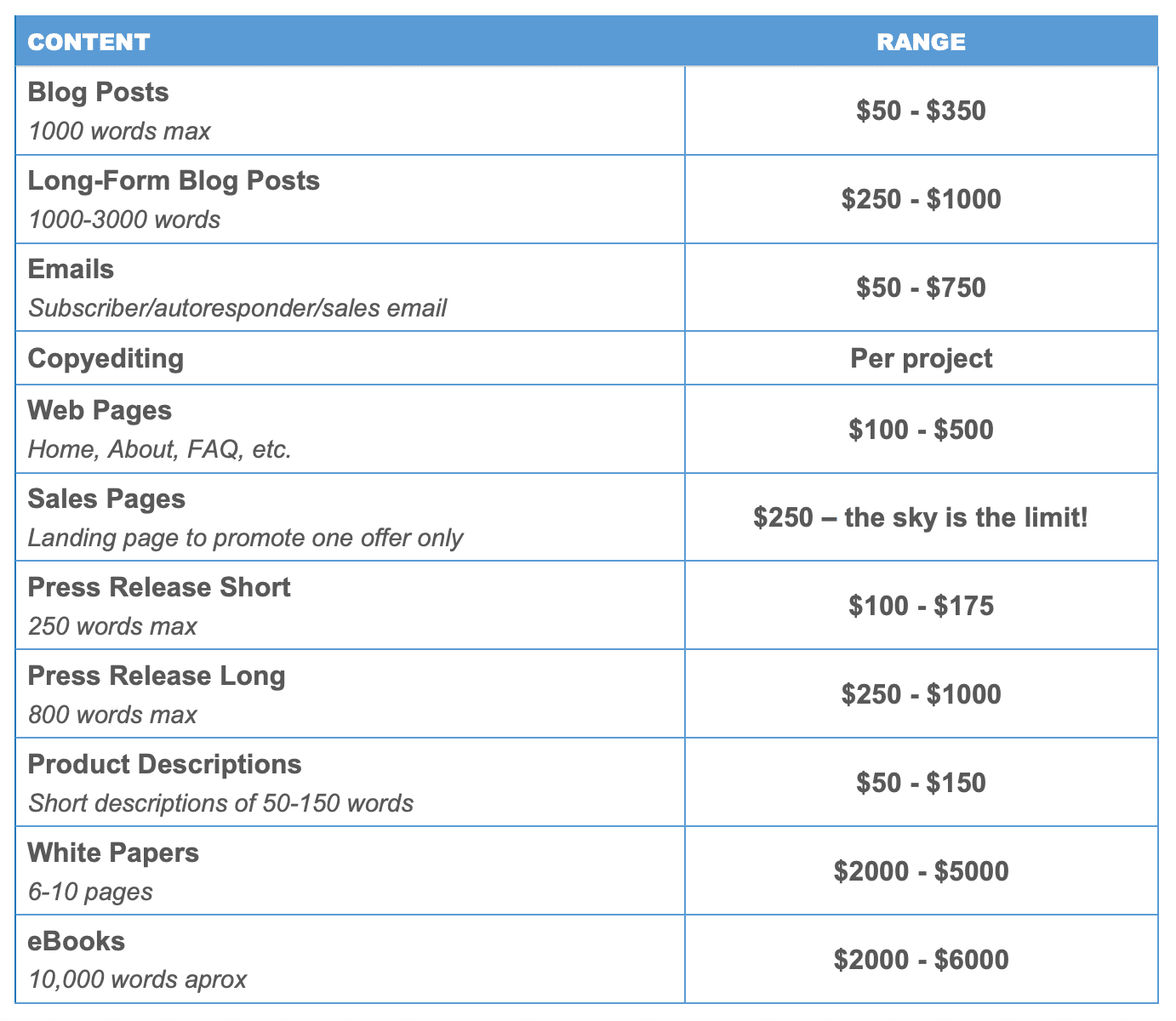
The best part about freelance writing is that you don’t need a lot of traffic on your blog to start making money, all businesses really care about it that you can write great content.
Jorden Roper, for example, made $5,000 in her fourth month of being a freelance writer and Jennifer Gregory pulls in about six figures a year from her freelance writing business.
As a freelance blogger, your job is to create written content that attracts visitors to a business’s website so some of these visitors can convert into customers for the business.
According to Content marketing institute’s 2019 report, marketers are set to spend more money on content creation and 50% of the marketers surveyed expect their content marketing budget to increase in 2019.
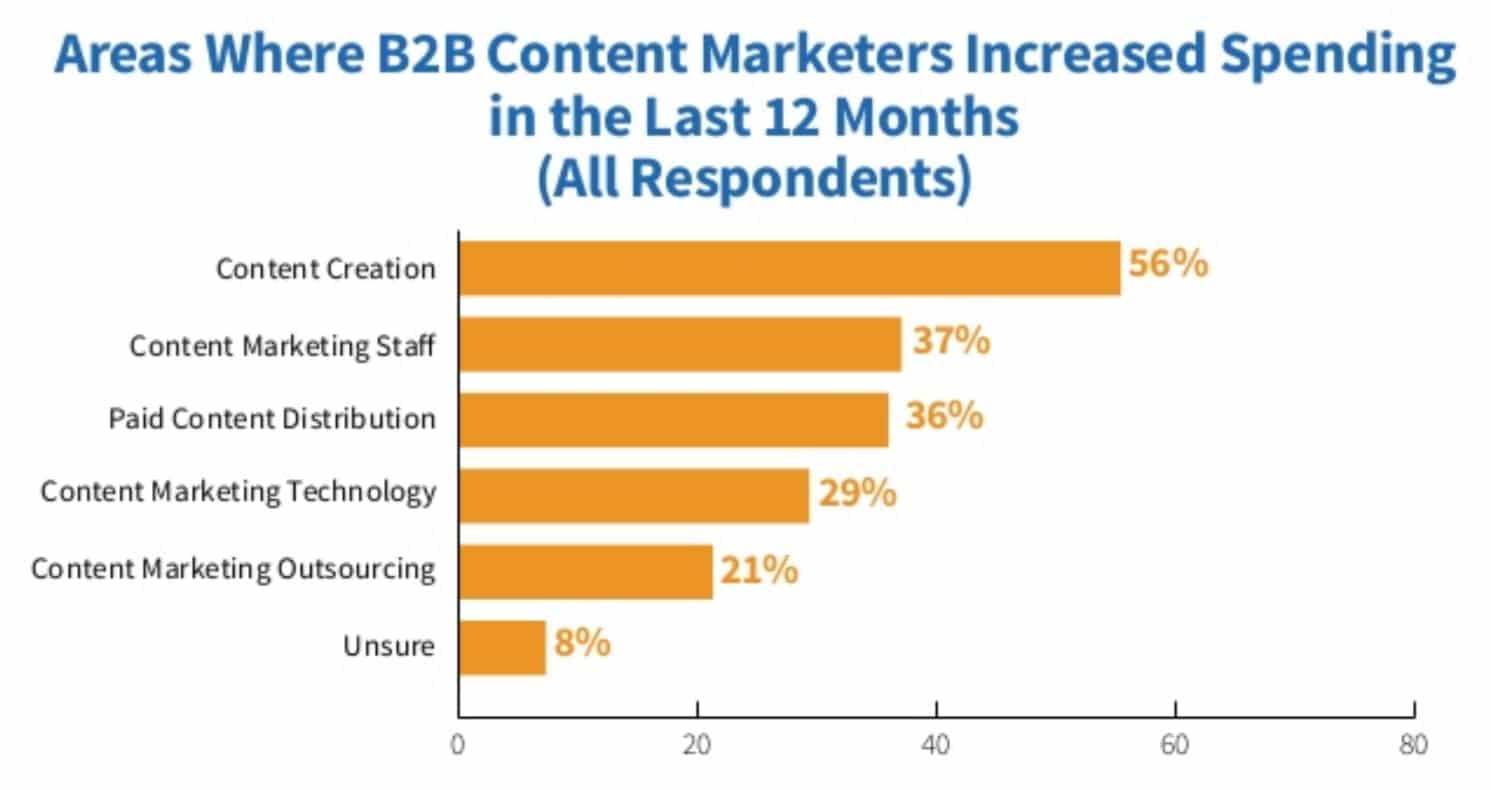
If there are businesses making money in your niche and so as long as these businesses are creating content then you can bet they need writers.
Notice that I mentioned that the business has to be making money. One of the worst mistakes you can make as a freelance blogger is picking a niche where businesses can’t afford to pay you.
For example, writing about art might be your idea of fun and you might have extensive knowledge of it, but how many blogs can pay you regularly to write about that?
The path to profitability as a freelance blogger is finding the right market to position yourself in.
A quick way to test whether there’s money to be made in your niche is to find at least ten writers that cover the niche you want to write in. You can do this by simply making a search on LinkedIn with the keywords for your niche.
For example, when I search for individuals with the exact title of “freelance personal finance writer” on LinkedIn I get about 42 results. You could also do it without quotes for a more broad search which will generate even more results.
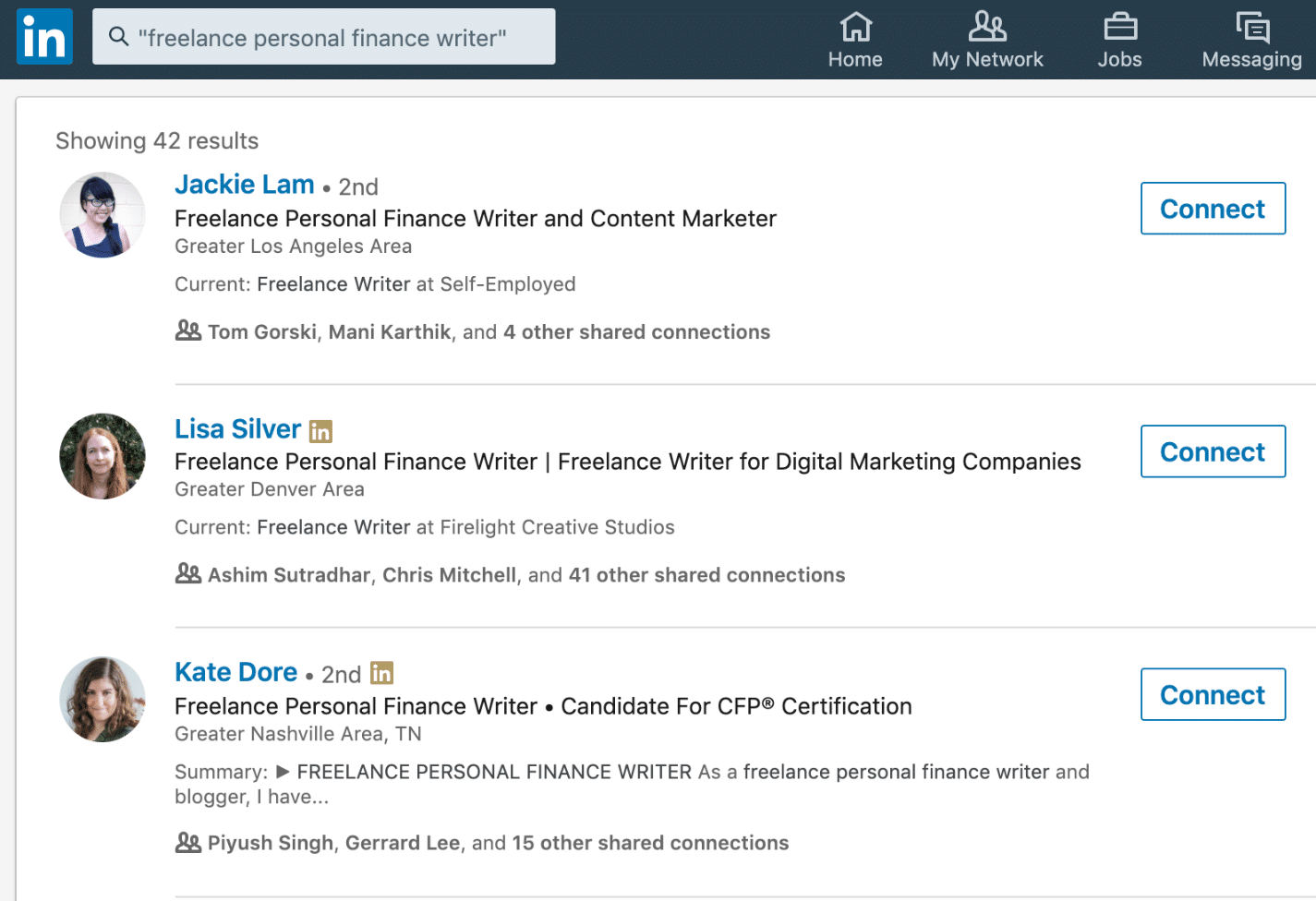
This is an easy way to validate your niche.
We’ve already established that you don’t need a lot of traffic to make money as a freelance writer but that doesn’t mean people will just find your blog and hire you.
You have to go out and promote your service.
When you’ve created writing samples on your blog and maybe guest posts on other blogs, you can start reaching out to businesses you want to write for.
You can also use freelance marketplaces like Upwork, SEOclerks and Fiverr. But while there are a few freelance writers that make a lot of money, like Danny Marguiles who made over $100k a year on Upwork, the majority of freelancer writers on these platforms make very little money.
To avoid the race for the bottom that is freelance marketplaces, you’ll have to do most of the outreach yourself.
How to Find Blogs to Write For
The best way to find businesses or blogs in your niche to write for is to simply make a Google search for keywords related to that niche and see what comes up.
Because clearly, the blogs that show up in the first few pages of Google are investing a lot in content marketing.
For example, if I was looking for blogs to write for in the fitness niche, making a simple search term like “Fitness blog” shows me this:

You can also search for terms related to your niche specifically, for example, in the case of fitness something like “Workout plans”:
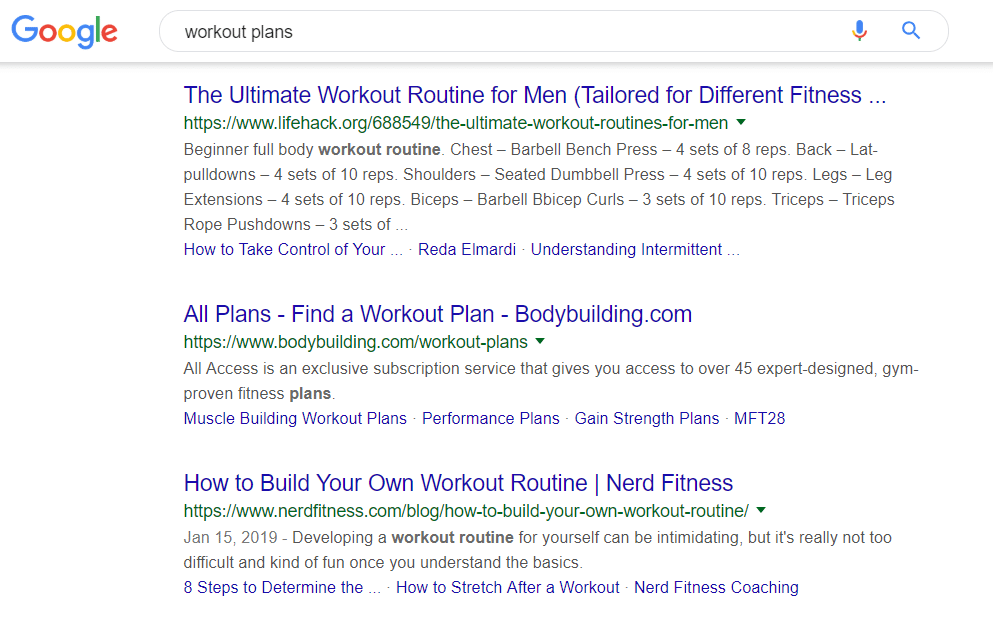
Now all you have to do is contact the blog owners and pitch them your freelance writing service.
Take Advantage of Your Own Site
Besides searching for new writing gigs, you should also take advantage of your own site, you’re a writer after all.
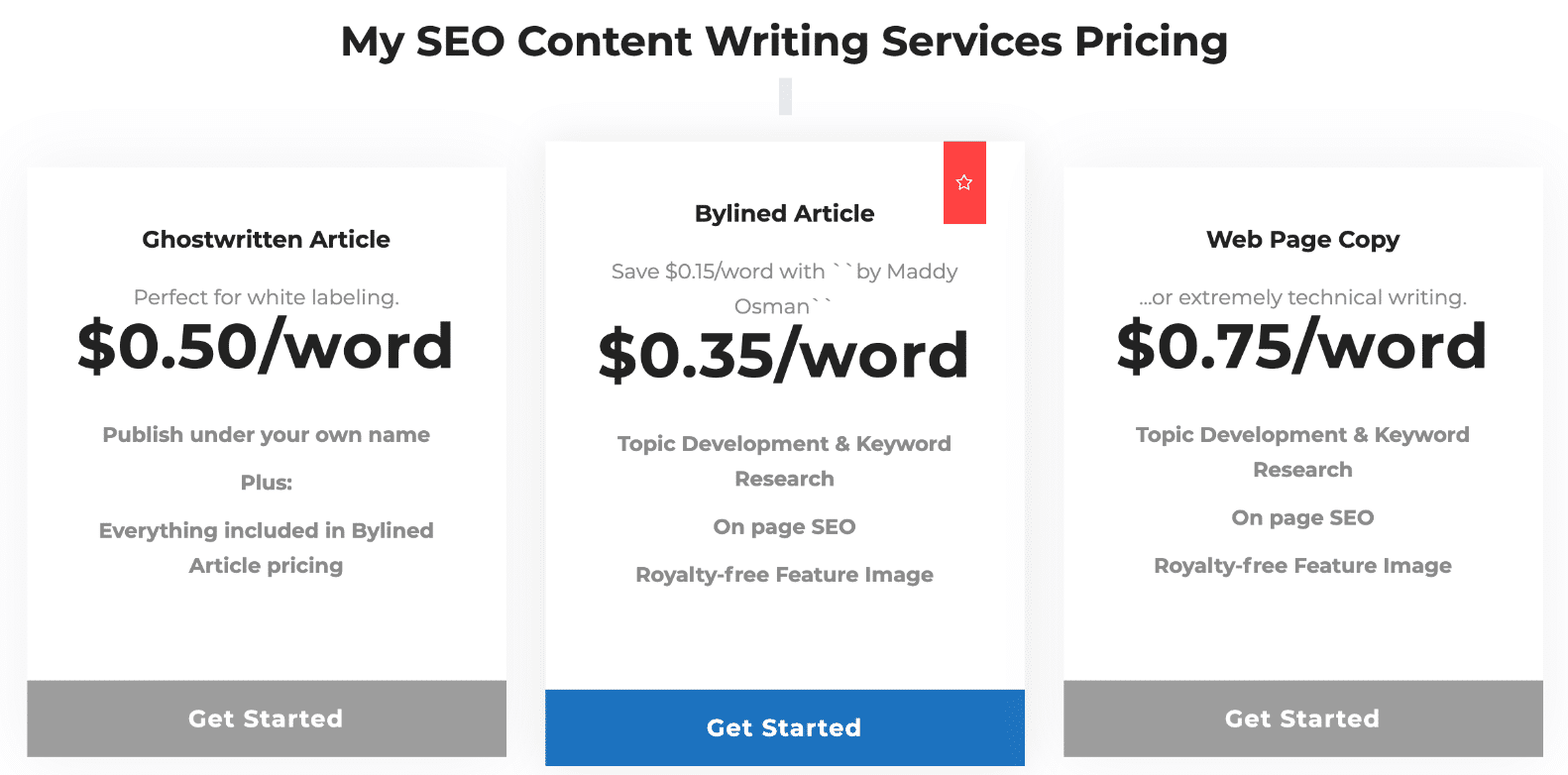
Use inbound marketing and SEO to drive people to your site where you can then offer them your writing and blogging services.
Freelance writer, Maddy Osman does this on her freelancing site, The Blogsmith.
2. Sell Ebooks to Your Audience
Selling ebooks is one of the most popular ways bloggers choose to monetize their blogs. It’s perfect because it’s relatively easy to create and is usually priced adequately enough that most visitors can buy.
But ebooks do more than let bloggers monetize their blogs quickly. As a blogger selling an ebook can be the fastest way to test if people are interested in what you’re covering enough to pay for it.
Ebooks are also a low-risk way for your website visitors to judge the value you can bring before buying more expensive products.
Contrary to popular belief you don’t need a lot of traffic on your blog to make money with your books. For example, David Oudiette converted the knowledge he’d gained building landing pages into a 252 page $39 ebook.
He didn’t have a lot of traffic on his blog as all he did at the time was consulting, but David was able to generate over $13,000 in revenue from his ebook.
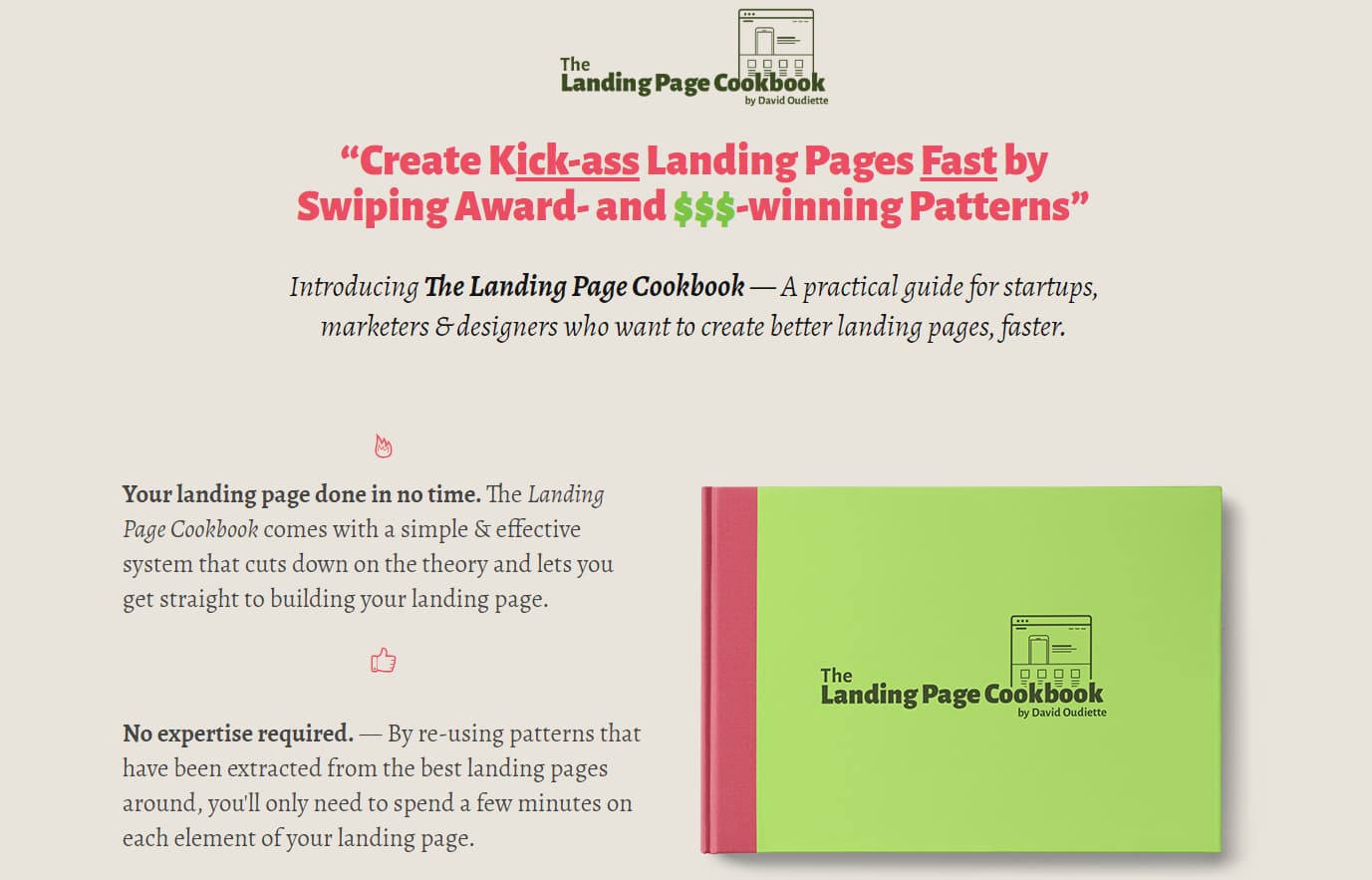
Here’s what David had to do to sell that many books:
- He asked his blog subscribers about their landing page, gave them free tips and then pointed them to his book.
- He answered questions and gave feedback about landing pages on Quora and Reddit, then pitched his book as an additional source of information.
- David also added the book on Product Hunt.
- Even more impressively, David cold emailed businesses and gave them free feedback on their landing page, he then answered replies and linked to his book.
So David didn’t have a lot of traffic but he did do a lot of work.
There’s also Taylor Pearson who sold over 5,000 books in four weeks and in 2015 had made over $60k from just that book. Taylor had just 700 email subscribers at the time.
Taylor credits the success of his book to a few things:
- Getting fans of his blog to become beta readers during the writing stage.
- Creating a Facebook group to communicate his book’s progress with core readers.
- Sending the book to everyone on the Facebook group so they could leave an honest review on Amazon.
- Keeping everyone on his list informed about the book’s progress which makes them more involved and likely to buy later on.
- Synchronizing social media messages during and after launch.
- Sending a personalized email about his book to every one of his Gmail contacts.
- Doing a giveaway to promote the book.
The book ended up a bestseller on the Amazon small business section and the rest is history.
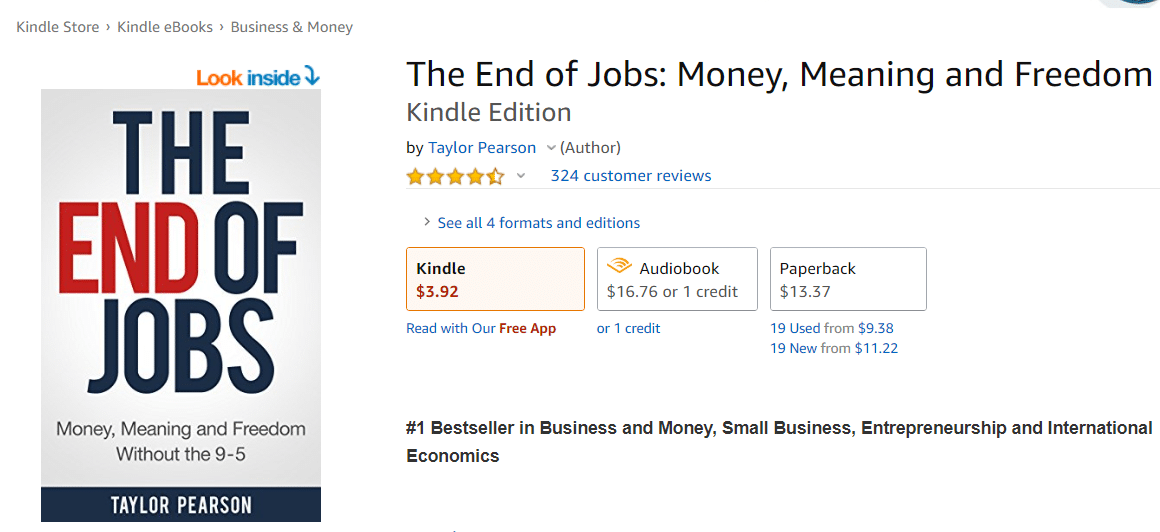
What’s great about both of these examples is that they show that with the right marketing and a good book, you don’t need that many subscribers and you certainly don’t have to be an expert writer.
None of these authors published and hoped, instead, they did a lot of work for their books to take off.
Where to Sell Your Ebook
You can then choose to sell your ebook directly on your blog or through platforms like Gumroad or Podia.
Selling your ebook on your own site can be advantageous, as you get to keep 100% of the profits. For example, Harsh Agrawal of ShoutMeLoud has an entire section of his site dedicated entirely towards his different ebooks.
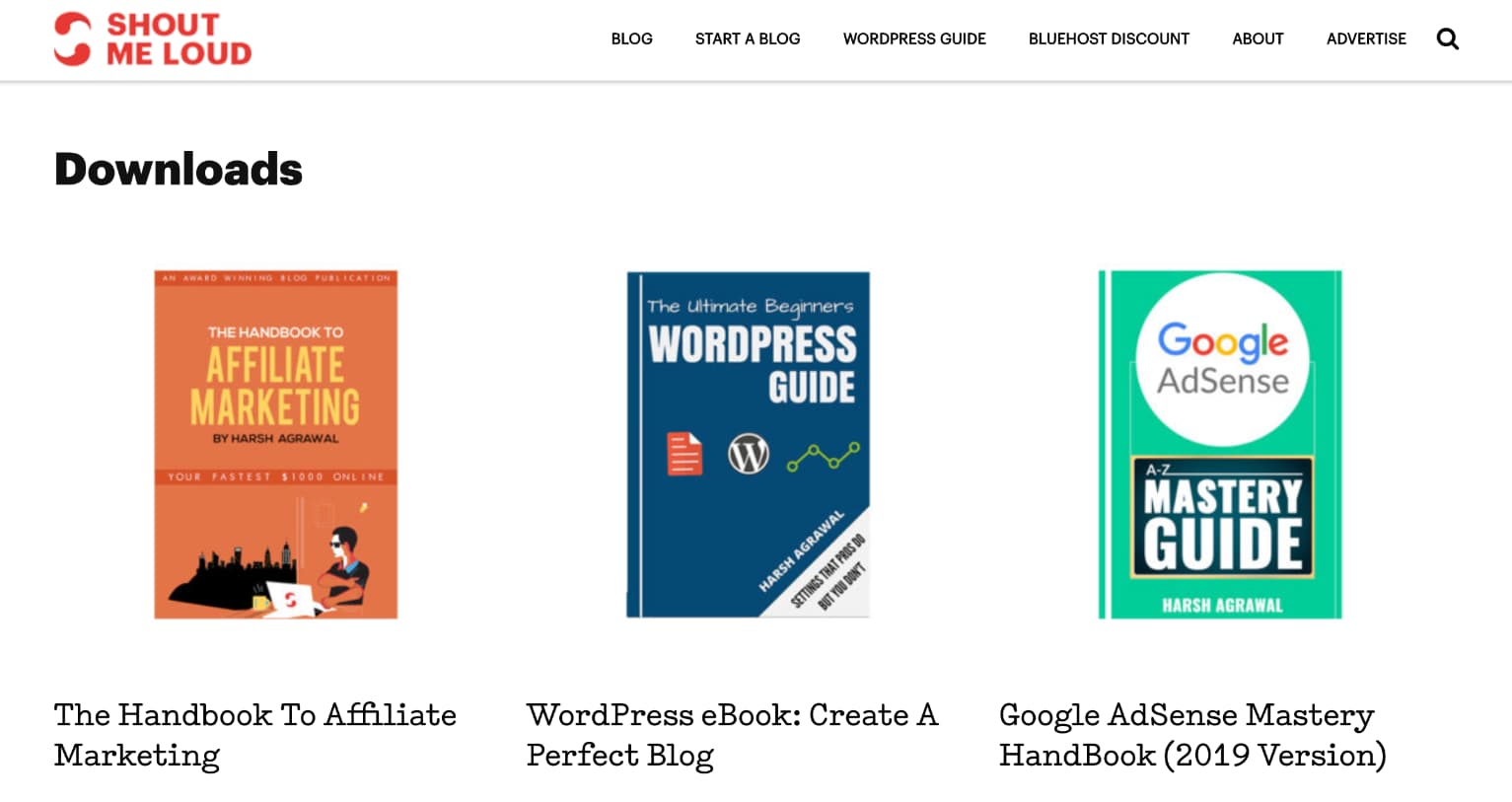
ou can easily create something like this with the Easy Digital DownloadsWordPress plugin.
If you choose to publish your ebook as an Amazon Kindle then you can only keep 70% of the profits but it comes with the added advantage that the more books you sell the more exposure you can get which leads to even more sales.
Selling ebooks aren’t restricted to a particular niche either. There are ebooks on blogging, photography, fitness and anything you can think of.
For example, if you had a blog that taught gardening you can sell an ebook that taught your audience in more detail how to grow their own gardens or a particular plant.
You can even repurpose some of the content you’ve already written on your blog and then add more detail and context.
How to Make the Book
If you don’t have the time or skill to write a book yourself you can hire ghostwriters to do it for you.
You can find ghostwriters on LinkedIn, Scripted, Upwork and even Fiverr. Keep in mind that, like anything, you get what you pay for. More experience ghostwriters will charge you more than beginners.
You can also create your book cover yourself with tools like Canva, Photoshop, and Snappa or you can pay for a service like 99designs and let a professional do it for you.
3. Create and Sell Online Courses
Another way to monetize your blog is by selling online courses. What holds most bloggers back from creating their own course is that they think you need to be some sort of expert to teach a course.
But this isn’t true, all you need to really teach a course is to know more than the people you’re teaching and to be able to present this information in a way that people will get value from.
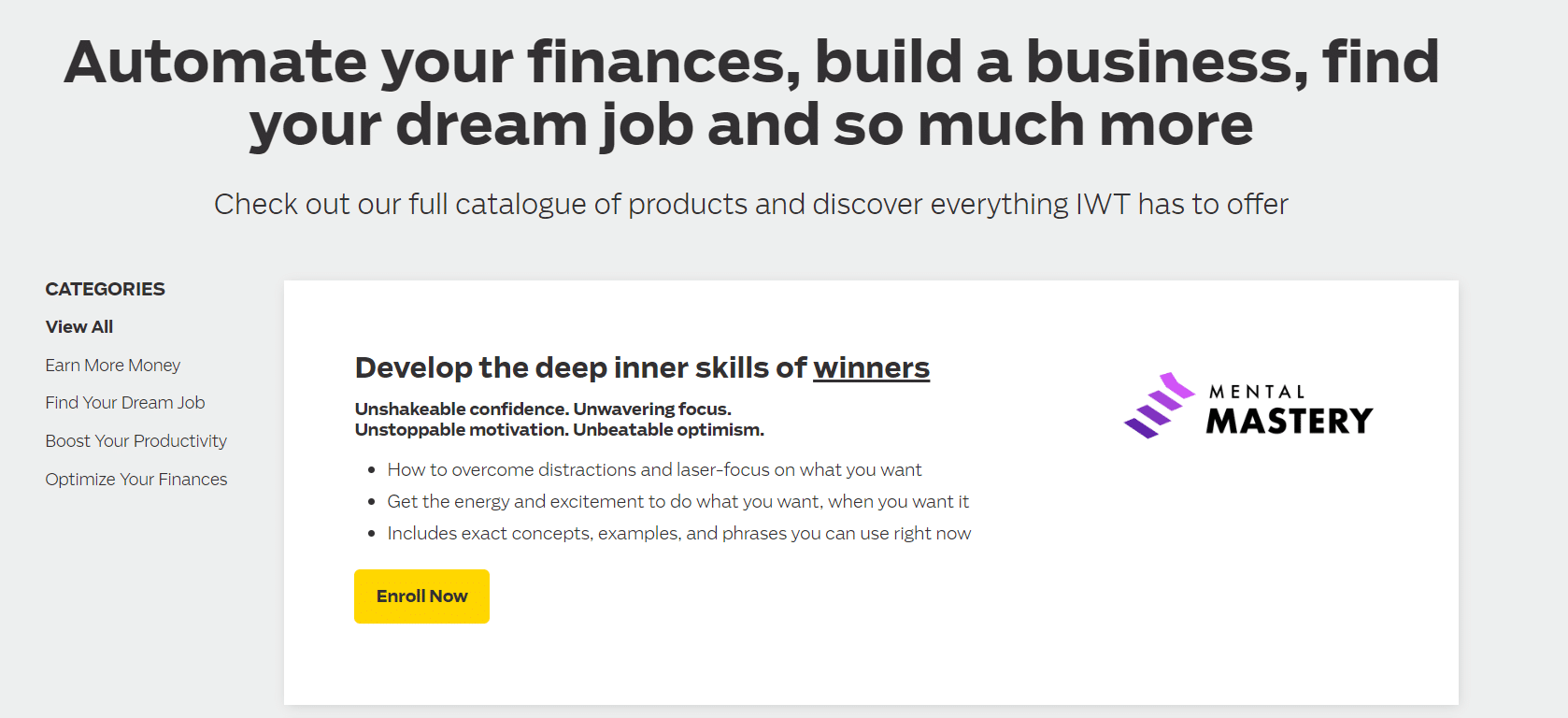
Ramit Sethi of IWT makes millions from the courses he creates not because he’s a certified financial planner but because he helps people eliminate problems in their lives.
You don’t need to be a certified chef to create a course that teaches people how to cook. If you can cook better than most people and create your course material in a way that can truly teach people how to cook then there’s nothing holding you back from creating your course.
More people are taking online courses than ever before, the e-learning industry is expected to grow to about $325 billion by 2025.
You also don’t need to be an influencer like Ramit Sethi to make a decent income from your courses.
There are people like Joseph Michael who made $40k as a newbie teaching writers how to use the popular writing software Scrivener.

Joseph didn’t have thousands of visitors or a gigantic email list. He sold his course by reaching out to influencers and promoting his course on webinars he spoke on.
How to Come up with Course Ideas
If you already have an audience then you simply need to identify a problem that a lot of them share that you can solve.
Ways to Identify Pain Points Your Audience Needs Solved:
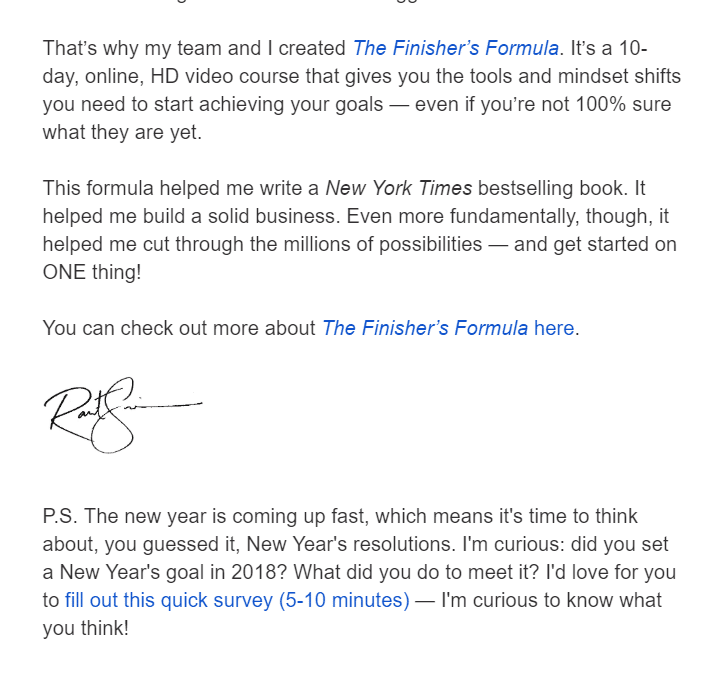
- Send a survey: The fastest way to know what problems people in your audience have is to ask them. You can do this by sending a simple survey through email.
Here’s an example of Ramit Sethi doing just this in one of his emails just before the New year:
- Read blog comments: Your comment section can be a treasure trove of ideas if you pay attention to them. And if you don’t have that many comments on your blog you can read comments from other blogs in your niche.
If you don’t have an audience, however, then you can come up with course ideas by brainstorming a list of things you do better than most people.
Here are a few questions to help you figure this out:
- What do your friends compliment you on?
- What do people come to you for advice for?
- What does everyone around you complain about, but you seem to have no problem with?
- What have you learned from your past job?
- What can you do better than most people you know?
For Joseph, he knew how to use Scrivener which most people found to be too complex. In your case, it may be playing an instrument or dressing. As long as you can do it better than most people you can teach it to them.
Hosting Your Courses
You can choose to host your courses on WordPress in which case you’d keep most of the profit from your course but you’d have to set up everything on your own or hire a developer to help you with it.
There are also third-party platforms you can host your courses on. These platforms either charge a monthly fee or a percentage of sales and in exchange, you get a more professional platform to host your course on.
WordPress Extension for Your Courses
- WP Courseware
- LearnDash
- LifterLMS
- LearnPress
Third Party Platforms to Host Your Courses On
- Podia
- Teachable
- Kajabi
4. Start a Coaching/Consulting Business
Sometimes people want more detailed and personalized instructions than a book or course can provide them and so they turn to one on one coaching (or consulting depending on the type of services you offer).
Coaching or consulting is a monetization strategy that most blog owners who’ve found success in selling books and courses turn to when they want to create an additional revenue stream.
It’s not just for established bloggers however, consulting can also be your monetization strategy from the start.
Coaching like most of the monetization strategy we’ve already covered banks on you being able to use your skills and experience to help people solve problems in their lives.
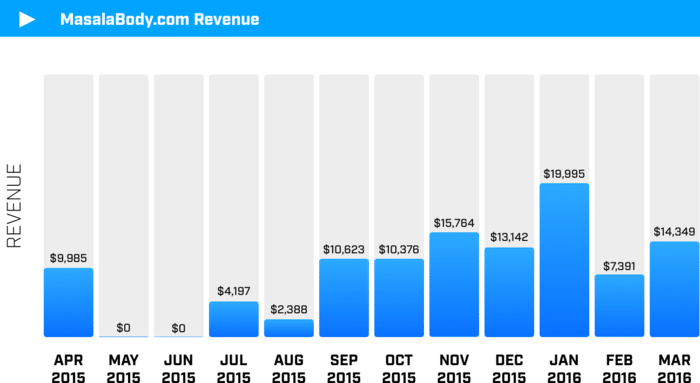
Brennan Dunn for example, helps businesses sell more with marketing automation and charges about $9k for a consultation and Nagina Abdullah makes over 100k a year coaching with clients that want to lose weight.
Here’s a snapshot of Nagina’s earning throughout the year:
If you’re already generating revenue with books and courses, consider offering one on one consultations to people in your audience.
And if you’re just getting started, the low volume nature of consulting means that you can start to generate revenue without much traffic.
With consulting it’s not just about how much traffic you generate, it’s more about getting the right kind of traffic, i.e people that need your services and can afford to pay you.
That means writing targeted blog posts on topics your type of clients care about, it means speaking on podcast your audience listens to and going to events where they gather so they know about you.
5. Offer a Paid Membership Plan
Businesses with subscription models are becoming increasingly popular, so much so that some people have started calling it the Subscription economy.
Everything from Netflix, web hosting providers and membership sites are part of the subscription economy.
A membership site is a gated section of your online business where members subscribe either monthly or annually to receive exclusive benefits.
The people in your community share a common interest and the benefits they pay for can include exclusive articles, advice, reports, webinars, in-person meetups and just being around like-minded people.
Membership sites not only allow you to reach more people, but it also gives everyone a sense of community and belonging.
One thing I love about membership sites is that everyone’s part of a group whether they realize it or not.
That means that if you have an interest in something the world is so big and the internet so connected that you can find other people just like you.
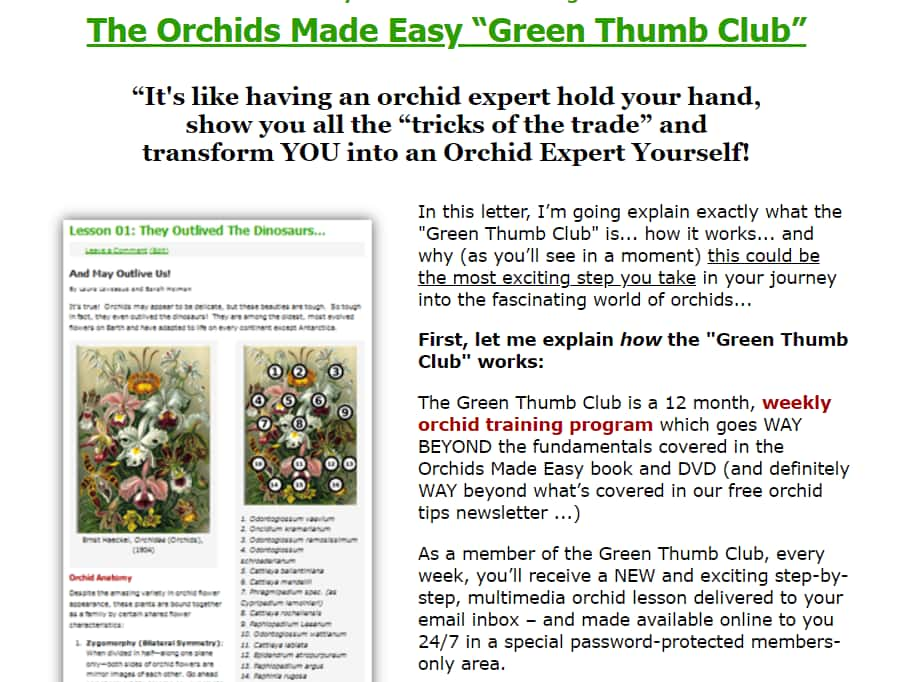
For example, Ryan Levesque loved Orchids and knew how to grow them so he created Orchids made easy where he offers his members exclusive content and provides them a platform where they can meet and learn from other Orchid lovers.
Ryan’s members pay $9.95 every month and since he has 1,800 members that put his revenue at a cool $18k a month.
Even better, based on how much you charge for your membership you mind not need that much traffic.
Will Hamilton of Fuzzy yellow balls teaches tennis players how to up their game and he once had 600 members paying him $25 every month. That’s over $15,000 a month from just 600 people and this was back in 2010.
You can create a membership site for almost anything as long as the people you’re targeting have money and are dedicated.
For example, tennis players put in hours of practice to be good so they’re committed and they also spend money on tennis gear, so they have money to spend.
Another great example is golfers. Golfers are willing to put in the effort to improve their skill and they also spend money on equipment.
Which is probably why Sean Ogle of Breaking Eighty was able to get 150 members to join his golf membership within 8 months of starting his blog. Breaking Eighty members pay between $250 to $500 annually.
If you have an audience that’s dedicated and already spend money to improve then creating a membership site might be the most profitable thing you can do. You can easily start making thousands of dollars with only a few hundred members.
When it comes to creating and managing your membership site, you can use WordPress plugins or third-party platforms.
Managing Memberships Sites on WordPress
- Learndash
- s2Member
- Memberpress
- Ultimate Membership Pro
Managing Membership Sites with Third-Party Tools
- Uscreen: If you have mainly video content.
- Podia
- Kajabi
- Wild Apricot
6. Make Money with Display Advertising (Banner Ads)
There’s a lot of hate on display ads in the blogosphere. Most people talk about how it’s a bad monetization strategy because you can’t make anything decent with it.
In most cases, they would be right, but there’s a reason display ads are still popular despite all the bad press they get.
The reason is that they work and are the fastest, even if not the most profitable way to start monetizing a website.
In fact, some bloggers start with display ads until they can find more profitable monetization strategies. For some people, those first few dollars give them enough motivation to continue with the blog.
For example, Alborz Fallah of Car Advice started out monetizing his website when a friend bugged him to put display ads from Google Adsense on his blog. The ads allowed Alborz to go from making nothing on his blog to earning a steady $200 a day while he kept his full-time job.
Alborz later started working directly with car manufacturers that paid as much as $30,000 for sponsorship deals. All of this wouldn’t have been possible if that friend hadn’t convinced him to monetize his blog with Adsense first.
Alborz isn’t the only one that’s found success with display ads either, so has entrepreneur Jon Dykstra from Fat Stacks.
Not bad for a poor monetization strategy right?
Jon says the secret to his Adsense success is optimal ad placements, generating a lot of traffic on the numerous sites he owns and picking niches where display ads work.
A great free WordPress plugin you can use to optimize your ad placements is Ad Inserter. With it, you can easily A/B test your Ads to see which perform better and it even allows you to customize how and where your Ads appear on your website.
For example, if you want an ad to show in your article, but only after the first two paragraphs of content, you can easily do that.
With ads, you don’t need a product of your own to sell but you do need traffic and the more of it you can generate the better you perform.
It might take some time for ads to start working for you as you begin to grow your blog and improve your content marketing but eventually, you’ll get there.
Ads don’t even have to be permanent, it can just be a temporary way to make money with your blog until you can find better a way to monetize it.
But we are living in the age of ad-blockers and they are affecting your income in a negative way.
7. Become an Affiliate Marketer
You can’t have an article about monetizing a blog without mentioning affiliate marketing. It’s one of the most common ways bloggers make money online.
In fact, affiliate marketing powers a lot of the web, approximately 15 percent of the digital media industry’s revenue comes from affiliate marketing and in the U.S affiliate marketing drives as many e-commerce orders as email.
With affiliate marketing, you promote the products of other businesses and get a commission for every sale you help bring in.
Affiliate marketers work the same way as most salespeople. They help promote and sell a company’s product and get a commission when someone buys.
Here’s a visual breakdown of how it works:
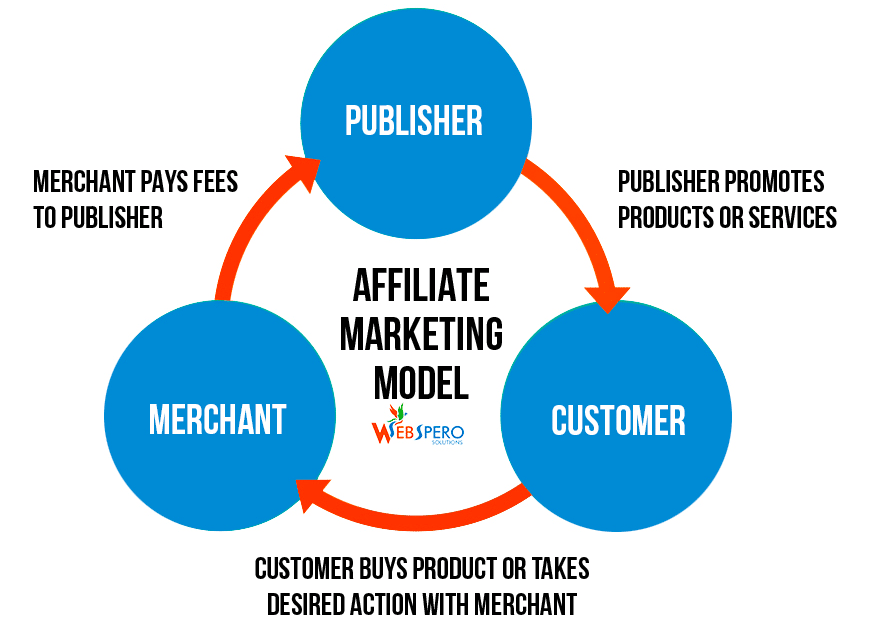
It’s really that simple, say for example your commission is $5 for every sale, and you get 200 people to buy that product, you would’ve have made $1000.
What attracts people to affiliate marketing is that you can just piggyback on a great product and sell that to your audience.
With Affiliate Marketing You Only Need Three Things
- A niche (This seems to be popping up a lot doesn’t it? ?).
- An affiliate product.
- And an audience to promote the product to.
You build your audience by writing about topics related to your niche and once you have an audience, you can find products from affiliate networks like:
- Rakuten Marketing
- Amazon affiliate (make sure to check out the AAWP WordPress plugin)
- ShareASale
- eBay Partner Network
- Clickbank affiliate
We also have an affiliate program here at Host SEO. Host SEO’s affiliate program comes with 10% recurring lifetime commissions and many bloggers are already earning a lot of passive income through it.
You can also check what affiliate products other blogs in your niche are promoting, and reach out to those businesses yourself.
One thing to keep in mind when monetizing your blog with affiliate marketing is that you should be focused on providing value to your readers and not just pitching products so you can make a sale.
Case in point, the best affiliate marketers don’t even come across as affiliate marketers.
Take, for example, Ryan Robinson who makes tens of thousands of dollars in affiliate earnings every month through his blog.
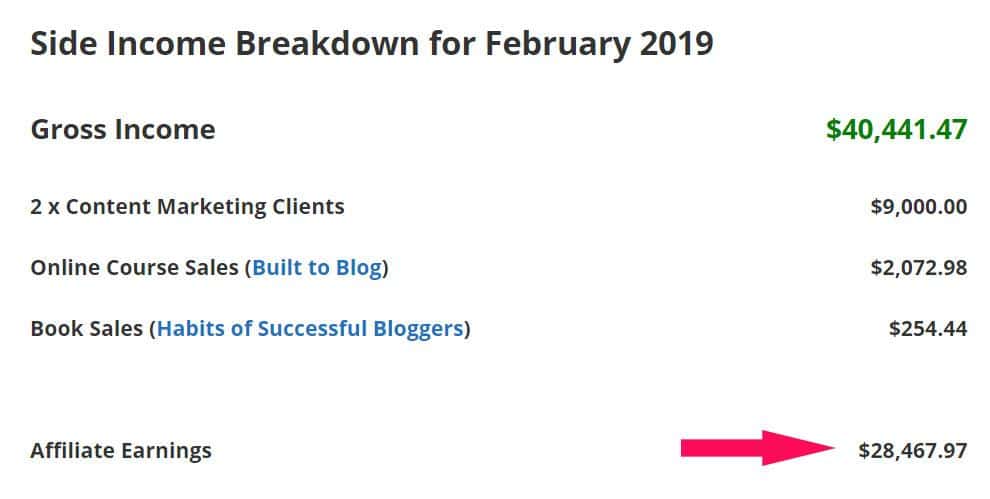
Ryan creates a lot of valuable content for his readers and pitching products he likes and uses feel like a natural part of that.
Since more and more businesses now have affiliate programs you can start promoting products no matter what niche you’re in.
8. Generate Revenue with Sponsored Posts/Reviews
Making money with sponsored post and reviews is one of the least common ways of monetizing a blog, probably because you’ll need to have a lot of traffic and credibility to pull it off.
With sponsored posts and reviews, a blogger will charge a company a fee to write about their product on the blog and give their opinion of it. The product gets exposed to the blogger’s audience and the brand gets more exposure and new customers.
When you think about influencer marketing, your mind quickly pulls up images of the influencers you know on Instagram and Youtube.
But writing sponsored posts on your blog is influencer marketing and it’s exploding right now. More than 63% of businesses who already use influencer marketing, plan to increase their spending this year.
Influencer marketing has already experienced tremendous growth and is expected to have a market size of about $6.5 billion in 2019.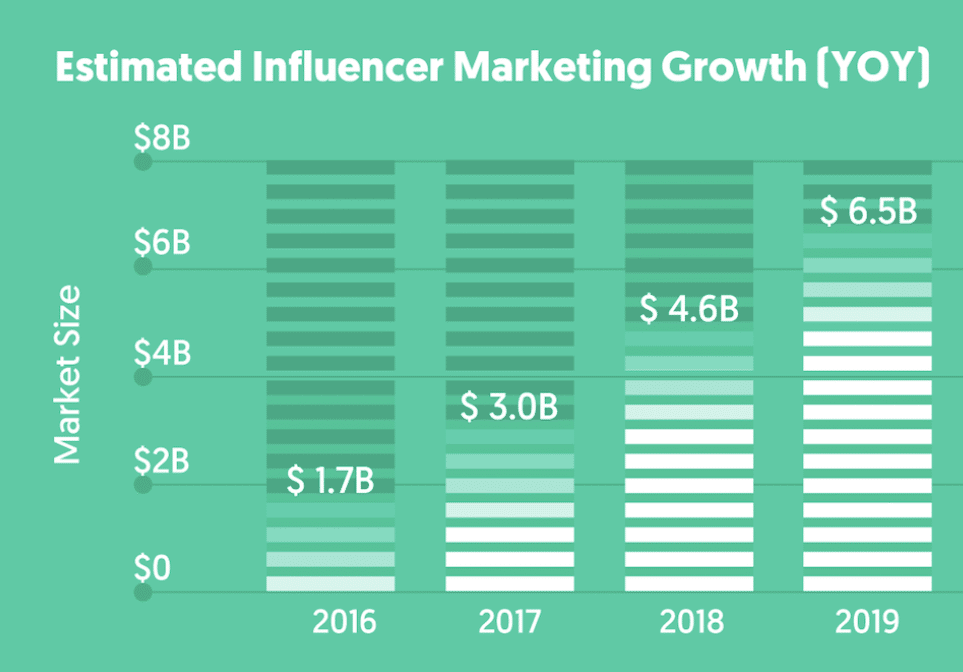
When featuring a product on your blog make sure to give your honest feedback about it because it’s not worth losing the trust of your readers for a few bucks.
For example, Matthew Woodward who charges close to $1000 for a sponsored review clearly points out on his advertising page that a paid review doesn’t mean a good review.
Being transparent with his audience maintains the trust he’s built with them which is much more valuable than $1,000.
Michelle Gardner of Making sense of cents, who charges around $5,000 per sponsored post and makes $10,000 to $20,000 a month from sponsored posts writes mainly on products and services she uses herself. That way she can ensure that the people in her audience will love it too.
Here’s a comment from a product she reviewed on her blog that shows what I mean by this:
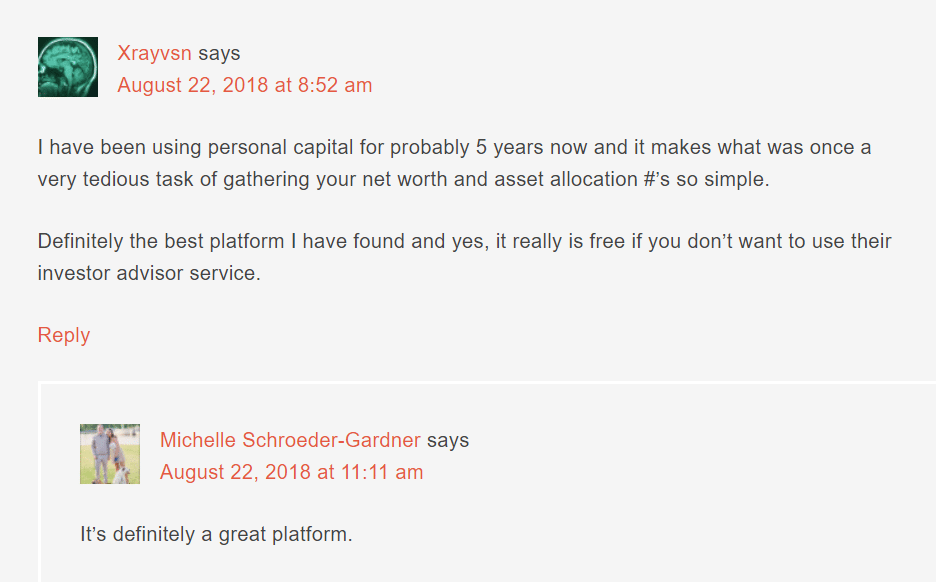
As I’ve mentioned before, the only downside to sponsored posts is that you need a to have a solid online presence before you can get companies to pay you anything substantial.
Companies need to know that paying for a sponsored post will lead to sales to make it worth the investment. So sponsored posts may not be the best monetization system for beginners but are great for more established bloggers.
If your blog is already generating traffic you can start reaching out to businesses in your niche whose products or services you already use and offer to write a sponsored post or review.
For example, if you write about technology you can do sponsored reviews for companies that make smart doorbells, laptops, cameras, etc.
Alexis Schroeder of Fit Financials writes about fitness and personal finance so when she started generating enough traffic she reached out to companies in personal finance and fitness space.
Alexis charges around $750 to $1500 per post and makes an average of $3000 per month from them alone.
9. Sell Physical Products to Your Audience
Another way you can monetize your blog is by selling products directly to your audience. Some bloggers even move from selling just a few items to launching full-fledged ecommerce websites alongside the blog.
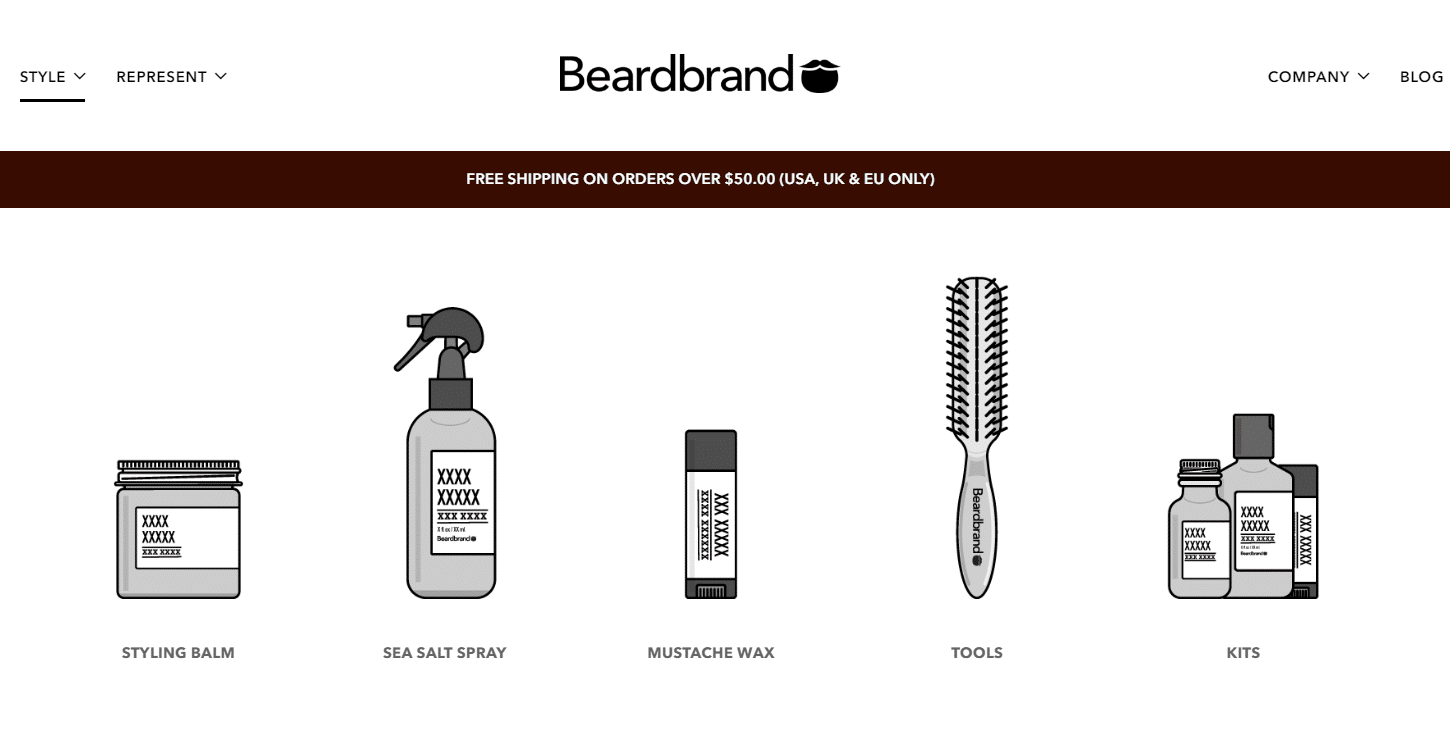
The popular e-commerce store Beardbrand, for example, started out as a blog where founder Eric Bandholz wrote about beard grooming before he started selling the beard grooming products Beardbrand is known for today.
Eric turned his beard blog into a business that’s been featured on the New York Times, Inc, Shark Tank and now makes more than $100k a month.
Eric isn’t the only one to discover that selling products to your audience is an excellent way to monetize your blog.
Matthew Inman of The Oatmeal makes about $375,000 a year selling merchandise related to the comic he draws on his blog.
Both Eric and Matthew can monetize their blogs this way because they had built a dedicated community that truly wanted what they offered.
If you’ve already built up an audience, one of the most profitable way to monetize it, is to sell products directly to these people.
They already trust you and since you cater to them you probably know more about them than most manufacturers and retailers.
Shari Lott started Spearmint Baby as a blog for mothers and as she grew her online presence she began to learn more about what her audience of mothers wanted.
Shari launched Spearmint LOVE, an ecommerce store that sold baby clothes and in less than five years grew it into a business that made $1.5M in 2016.
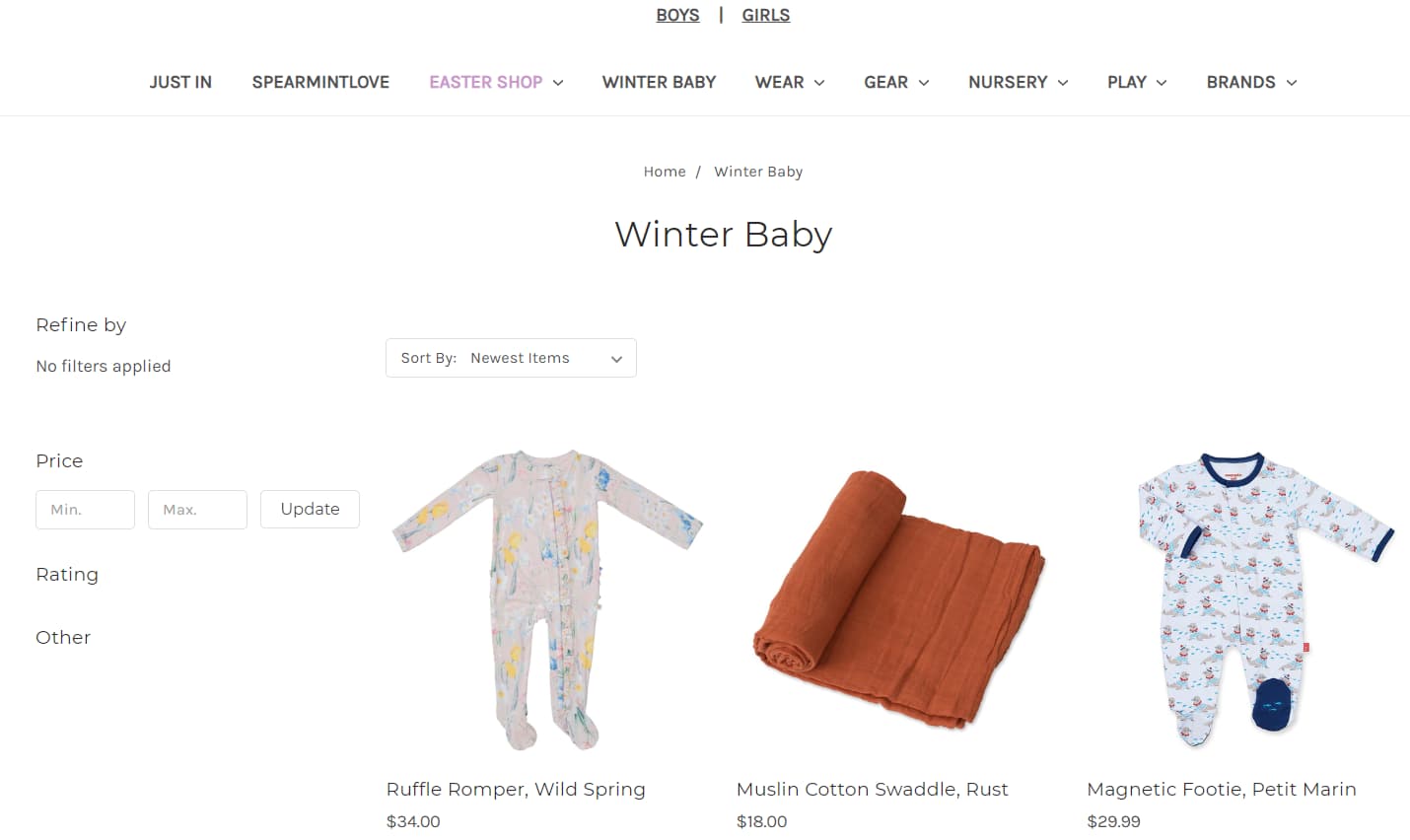
If you already have an audience, then start paying attention to the problems that they have and see if you can sell something that’ll help them solve it.
10. Sell Digital Products to Your Audience
Sometimes the best way to solve the problems your audience have isn’t with a physical product but with software and digital downloads.
Clay Collins got the idea for Leadpages through his blog where he wrote about optimizing landing pages. When Clay started giving away landing page templates for free he found out that people wanted more from it.
They wanted to customize it, integrate it with their tools and even to carry out split tests and so he created Leadpages. A business that now has $38 million in funding and generates $25 million a year.
If you have other skills, beyond just blogging and creating ebooks, don’t let them go to waste. If you know how to code you can create software or WordPress pluginsand then sell them to your existing audience.
Even if you don’t know how to code, you can always hire a developer. Omar Zenhom of Webinar Ninja built the first version of his product with developers he hired from Freelancer.
You can even sell digital products like templates, themes, and even audio recordings to your audience if that will help them solve a problem they have.
For example, Relaxing White Noise sells audio tracks that help their listeners relax and fall asleep and The Luxe Lens sells Photoshop and Lightroom templates to photographers.

You can even sell printables like Jennifer of lifeismessyandbrilliant who sells digital planners and stickers on her blog.
11. Launch a Virtual Summit in Your Niche
If you keep up with internet trends, then you’ve probably heard or have even attended virtual summits before.
Keep in mind that virtual summits or web conferences are different from webinars.
The main distinction is that virtual summits are a lot more interactive and engaging. They’re essentially conferences you can attend online with a host, Q&A sessions and multiple speakers covering a specific topic.
Now while the virtual summits themselves are usually free to attend, you can only access them for a limited time period. The organizer makes most of their revenue from selling an “all-access pass” that allows attendees to go over the conference material anytime they want.
Tom Morkers who runs the $100k Launch School summit made more than $20,000 from selling all access passes after one summit.

Hosts of virtual summits also make money by selling related products such as membership plans and courses on the topic after the summit is over.
The part about virtual summits that makes them a great monetization strategy even for newbies is that you don’t need to be a well-known blogger to host one. Mostly because you’re pulling credibility by interviewing other influencers in your space.
Jon Schumacher for example only had about 2,000 email subscribers when he launched his Webinar Mastery Summit.
The summit not only resulted in close to $26,000 in sales after just 10 days, but it also added 2,854 subscribers to his email list.
Virtual summits exist for almost any niche you can think of. For example, in publishing, there’s the Best Seller Summit that teaches how to write and publish a best selling book.
And Membership Site Summit teaches entrepreneurs how to launch and grow a successful membership site.
If you’ve already built up an audience even if it’s not large, you can create a virtual summit by partnering with influencers in your space.
The best way I know to find influencers you can connect with on any niche is to use a tool like Buzzsumo.
All you’d have to do would be to go to the Buzzsumo home page and type in your niche keyword.
For example, if I wanted to hold a virtual summit on book publishing, I’d type in book publishing in the search box.
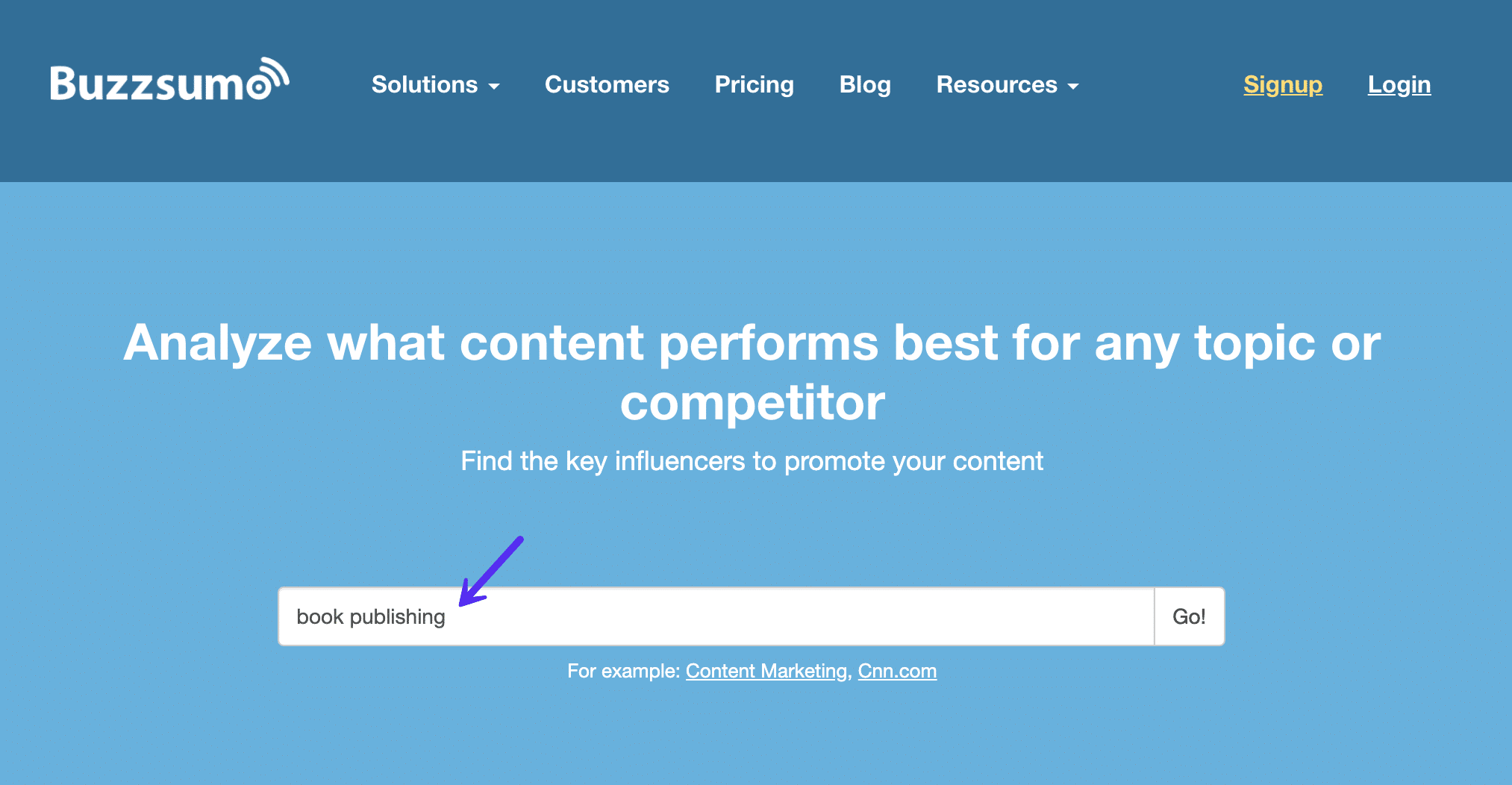
Then make sure to click on the influencers tab:
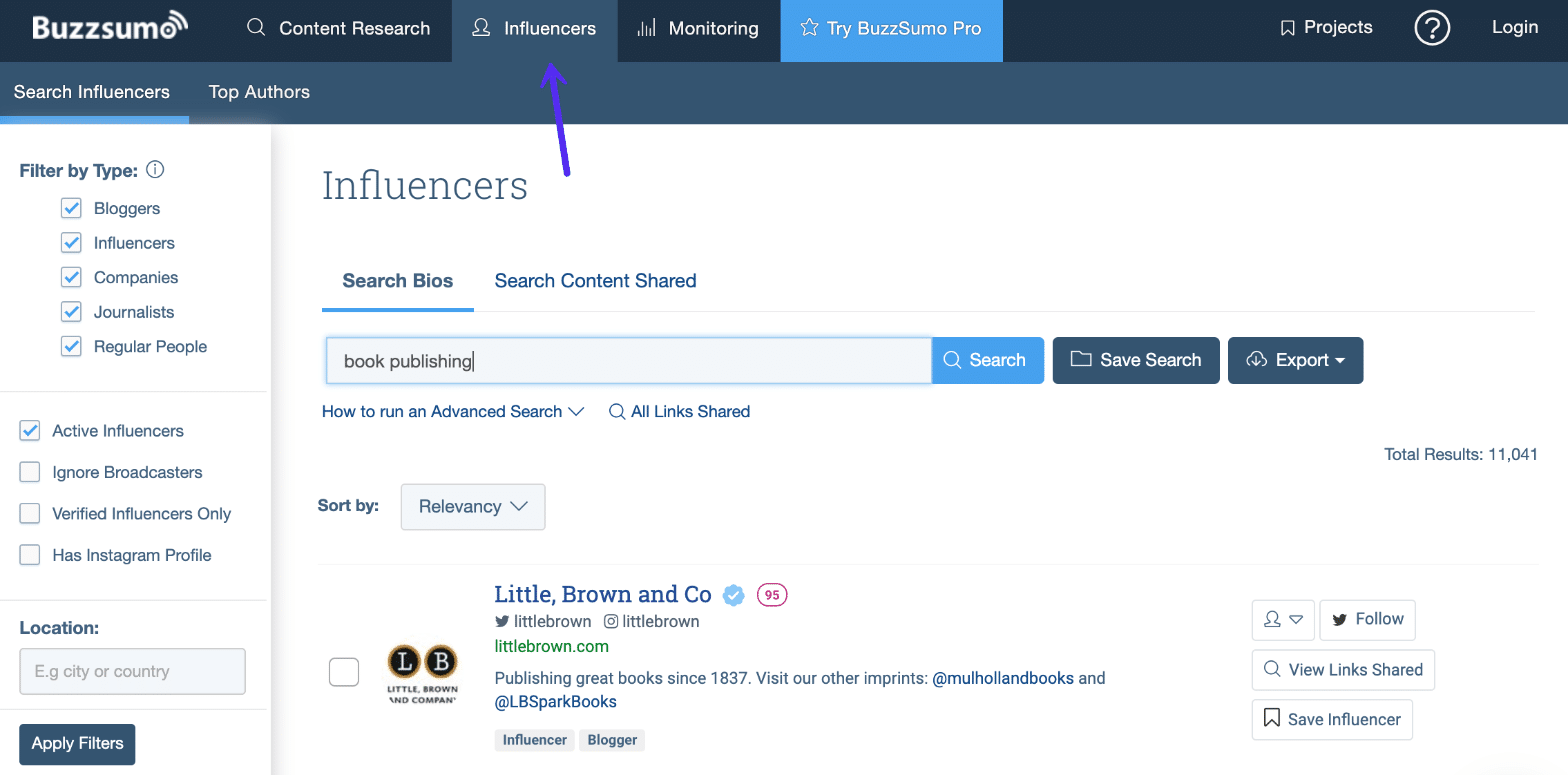
You can then filter by follower count, reply ratio and whatever criteria matter to you.
When you’ve found the influencers in your niche it might be tempting to reach out to them immediately and ask them to speak at your summit but that rarely works.
Instead, you want to build a relationship with them slowly before you make any kind of ask. Start by following them on Twitter, then read, comment and make guests posts on their blog. In other words, you want to deliver value before making an ask.
12. Accept Donations on Your Blog
You can also monetize your blog by making it possible for your audience to make donations. This works particularly well if you’re a nonprofit.
You can accept donations with WordPress plugins like Give, Charitable, and PayPal Donations.
Here’s how the Charitable donation plugin looks on the Uganda Water Projectcampaign page:
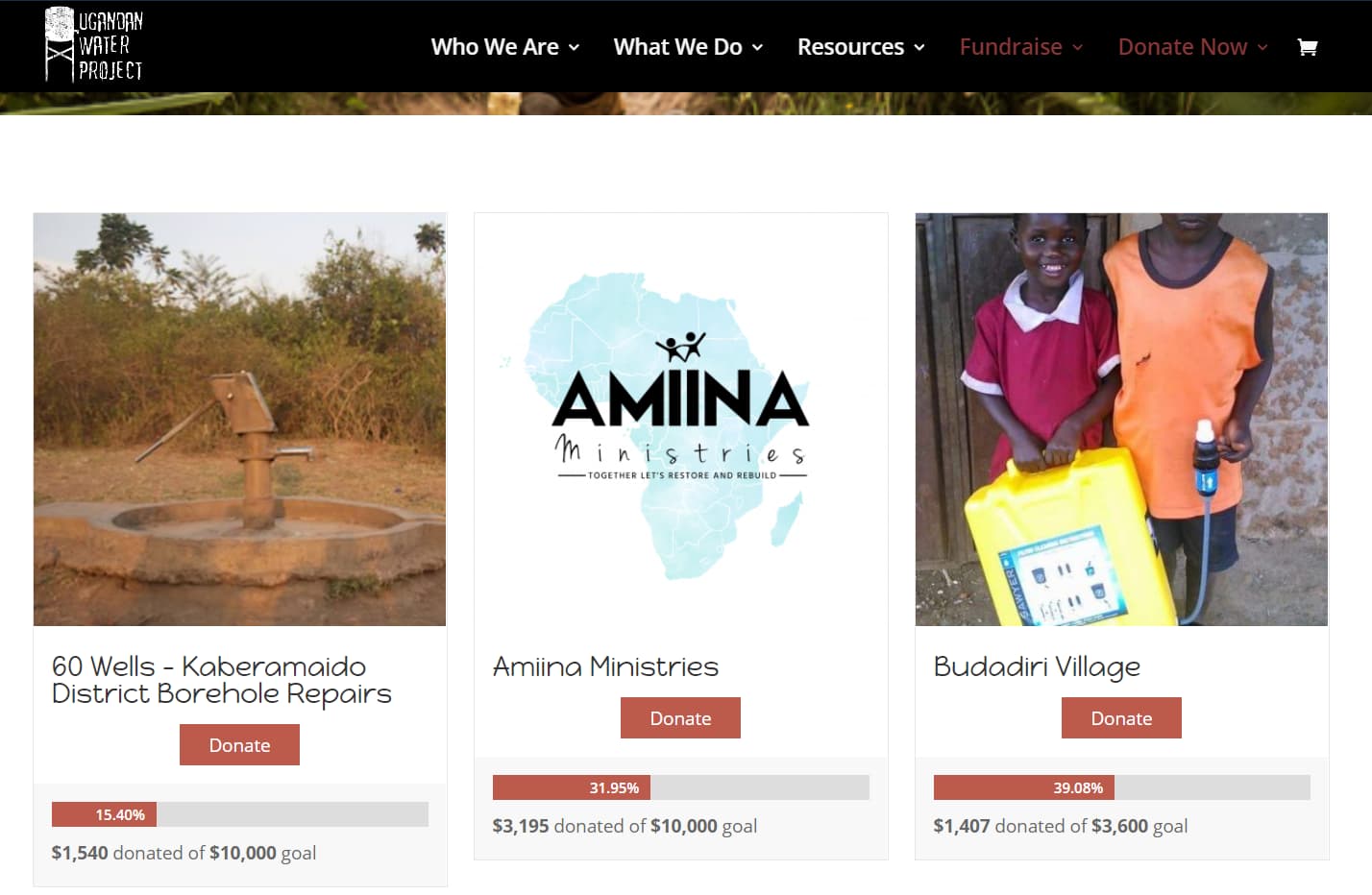
Now while accepting donations are the norm for non-profits they can also be used to monetize blogs that aren’t non-profits.
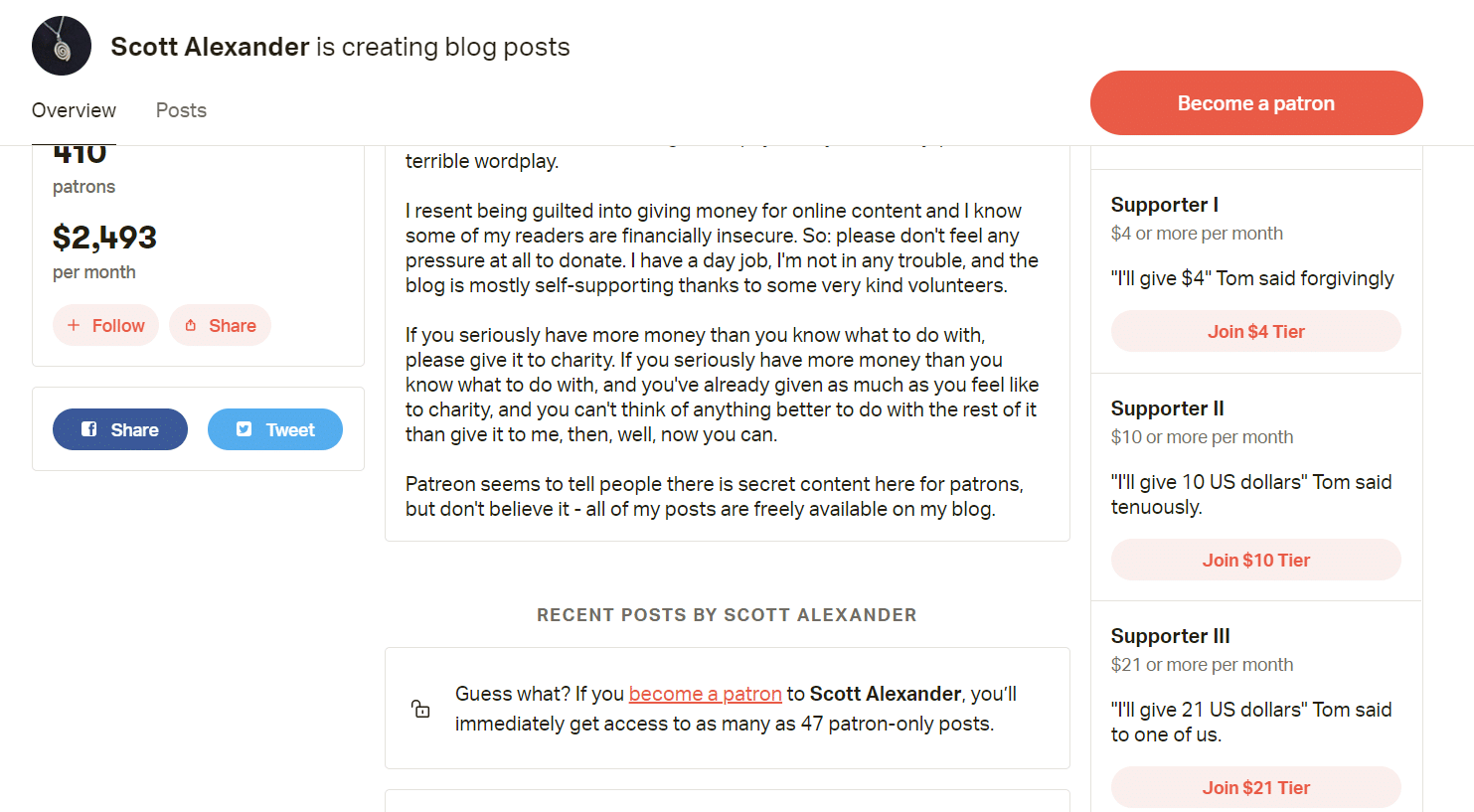
You might be a little skeptical about how well donations can work for a blog, so was I until I started reading about bloggers like Scott Alexander of Slate Star Codex who makes $2493 every month from just 410 fans on Patreon. Keep in mind that Scott only blogs part-time and still has a day job.
There are also bloggers like Tim Urban of Wait But Why who makes over $12k per month on Patreon alone.
This doesn’t mean that any blog can make money with donations though.
It took most of the bloggers I mentioned quite a bit of time to start getting substantial income from donations.
That’s because you need to have a really dedicated audience to make donations work for your blog and that requires giving a lot of valuable content for free first.
For example, Tim Urban spends between 40 – 80 hours writing and researching to create one of his blog posts, some of which are longer than the ebooks people sell.
That’s a lot of work that goes into creating something he’s giving away for free.
His audience realizes this and loves Tim’s work so much that they support him with donations. Tim wouldn’t have been able to get donations if he just churned out 100 words listicles every week.
How to Accept Donations on Your Blog:
So far I’ve pointed out examples of people accepting donations with the Patreon platform or using WordPress donation plugins.
But which should you use? That depends on what matters most to you.
Accepting donations on Patreon can be more expensive because they take a 5% fee on your incoming revenue and you also have to pay another 5% in transaction fees.
In return, you have a platform that’ll handle all the chargebacks and declined payments. Plus it’s easy to accept donations and manage your donors with minimal effort. Patreon even has a WordPress plugin to help you make money from your blog’s content.
If you choose to use WordPress plugins, on the other hand, you’ll pay fewer fees but you’ll have to do most of the set up on your own. You’ll also have to handle the transaction errors and create a way to manage donors on your own.
So essentially, if you want to get started as quickly as possible and don’t mind paying extra for an already built platform, Patreon is a great option. If you don’t mind setting up donations on your own and managing donors yourself, then WordPress plugins are perfect for you.
13. Start a Podcast
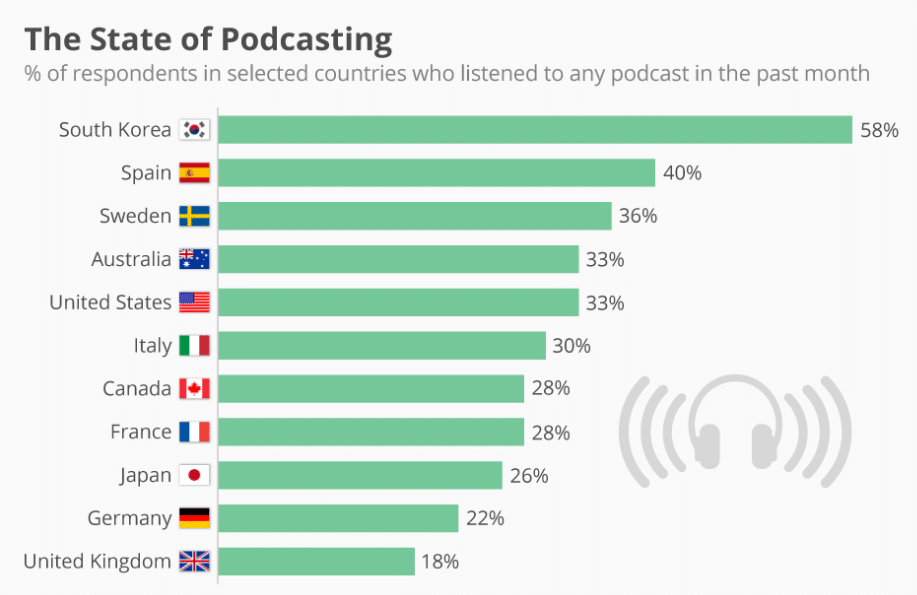
Podcasting is exploding right now. According to Paid Insights, as of April 2019, there are over 700,000 active podcasts and over 29 million episodes.
More people are beginning to listen to podcasts all over the world. Here’s the percentage of the population that now listen to podcasts around the globe:
If you already have a blog, including a podcast can be a really smart way to get more traffic by piggybacking off the growth of podcasts.
Podcasts are great especially when you’re a newcomer because most of the established blogs in your niche have more written content than you do.
But how many of them have a podcast?
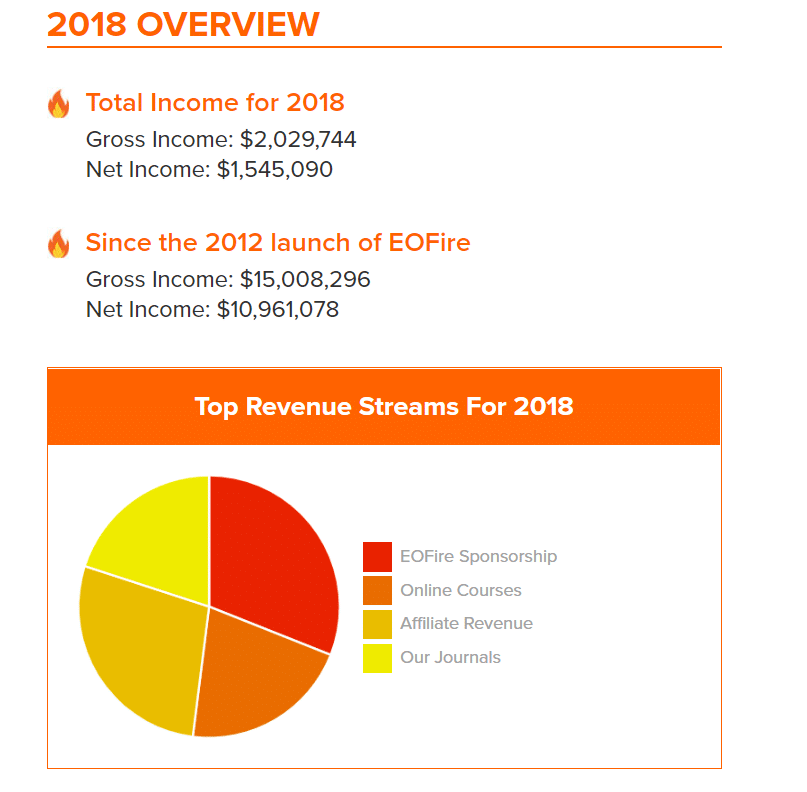
Podcasts are what allowed John Lee Dumas of Entrepreneur on Fire to go from making $69,879 in revenue in 2012 to $1,545,090 in 2018.
Podcasts are doing so well that even popular bloggers like Noah Kagan and Darren Rowse now have podcasts alongside their regular blog content.
Podcasts don’t just help you get your name out there and generate more traffic for your blog. It can also be another source of revenue for your blog.
With a large enough audience, you can start selling sponsorship slots on your podcast to businesses that want to reach the people in your audience.
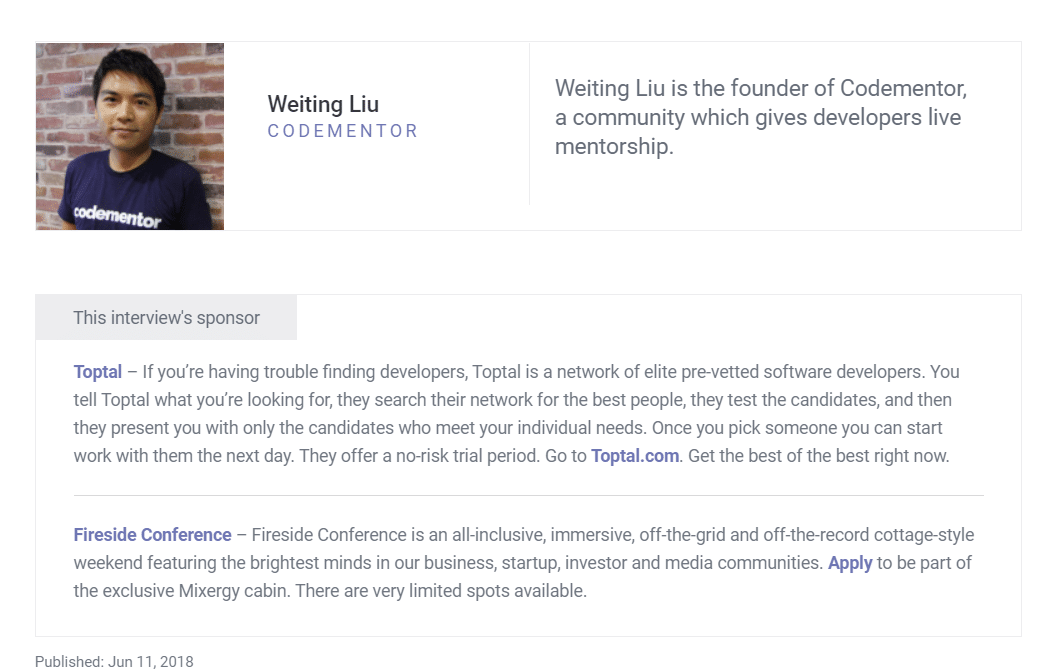
Andrew Warner from Mixergy generates additional revenue by offering companies a chance to reach his audience of entrepreneurs through his podcast.
Here are two of his sponsors for an interview he did with the founder of Codementor:
Where to Host your Podcast?
To get started with Podcasting you’ll need a place to host your audio files much like how your website is hosted.
A media host is a company that allows you to store your audio files so they can be streamed and downloaded by listeners.
A few media hosts for podcasts include:
- Libsyn
- Blubrry
- Buzzsprout
- and Transistor
There are also WordPress plugins that can help you manage and even host your podcasts like Seriously Simple Podcasting, Smart Podcast Player and Simple Podcast Press.
What You Need to Start a Podcast
Most people overestimate what they need to start a podcast and so never begin, but if you already have a computer you’ll need just a few more things to get started, such as:
- A microphone: You can get one for as little as $10 on Amazon.
- A headphone: You probably have this already.
- Audio editing software: There are free options like GarageBand (Mac) or Audacity(Windows).
- Podcast hosting: You can get plans as low as $12 a month.
- A Skype or Zoom account: If you plan to do interviews on your show.
That’s it, you can now start creating episodes for the world to listen to.
Summary
While it’s easier than ever to start a blog, most bloggers, as the ConvertKit study shows, have trouble monetizing it. Blogging alone doesn’t generate revenue unless you can find a monetization strategy that works for your blog.
And as most of the examples have proved, you don’t need that much traffic or leads to start generating income from your blog. And while your niche does matter, it’s not the most important factor that determines if you’ll succeed.
We’ve seen people make money with tennis, beards, golf, baby clothes, cars, and even orchids.
What you do need is an understanding of the numbers needed to make your monetization strategy successful and the determination to work hard to promote what you have to offer.
Reading this is the first step, we hope you now have the strategies and tools to start making money with your blog.
Have any other great tips on how to make money from a blog? If so, share them below.
Categories
Subscribe Now
10,000 successful online businessmen like to have our content directly delivered to their inbox. Subscribe to our newsletter!Archive Calendar

| Sat | Sun | Mon | Tue | Wed | Thu | Fri |
|---|---|---|---|---|---|---|
| 1 | 2 | |||||
| 3 | 4 | 5 | 6 | 7 | 8 | 9 |
| 10 | 11 | 12 | 13 | 14 | 15 | 16 |
| 17 | 18 | 19 | 20 | 21 | 22 | 23 |
| 24 | 25 | 26 | 27 | 28 | 29 | 30 |
| 31 | ||||||
Recent Articles
-

Posted on : Jul 25
-

Posted on : Jul 07
-

Posted on : Apr 07
-

Posted on : Mar 19
Optimized my.cnf configuration for MySQL 8 (on cPanel/WHM servers)
Tags
- layer 7
- tweak
- kill
- process
- sql
- Knowledge
- vpn
- seo vpn
- wireguard
- webmail
- ddos mitigation
- attack
- ddos
- DMARC
- server load
- Development
- nginx
- php-fpm
- cheap vpn
- Hosting Security
- xampp
- Plesk
- cpulimit
- VPS Hosting
- smtp
- smtp relay
- exim
- Comparison
- cpu
- WHM
- mariadb
- encryption
- sysstat
- optimize
- Link Building
- apache
- centos
- Small Business
- VPS
- Error
- SSD Hosting
- Networking
- optimization
- DNS
- mysql
- ubuntu
- Linux